


Where are we in Time? series sermon notes
Where Are We in Time?
The world feels increasingly unstable:
- Wars and global conflict
- Economic uncertainty
- Moral confusion
- Natural disasters
- Technological advancement
- Global fear and anxiety
Jesus told us these things would happen and referred to them as:
“The beginning of birth pains.”
Matthew 24:6–8
Main Emphasis of the Series
This series is ultimately not about:
- conspiracy theories,
- fear,
- predicting dates,
- or sensationalism.
It is about Jesus.
- Jesus came the first time as Savior.
- Jesus will return as King.
- Biblical prophecy should lead believers toward:
- readiness,
- holiness,
- urgency,
- hope,
- and faithful living.
See the Messages or read the notes by scrolling down.
1 End Times and the rapture of the church (watch the sermon) , the notes are below See a clip
2 The Church Age: From the Cross To the Crown
3 The Rapture: When Christ Calls His Church Home
4 The Tribulation: A World In Crisis
5 The Bema Seat & The Marriage Supper Of The Lamb
6 The Return Of The King & The Millennial Reign of Christ


Where Are We in Time?
The world feels increasingly unstable:
- Wars and global conflict
- Economic uncertainty
- Moral confusion
- Natural disasters
- Technological advancement
- Global fear and anxiety
Jesus told us these things would happen and referred to them as:
“The beginning of birth pains.”
Main Emphasis of the Series
This series is ultimately not about:
- conspiracy theories,
- fear,
- predicting dates,
- or sensationalism.
It is about Jesus.
- Jesus came the first time as Savior.
- Jesus will return as King.
- Biblical prophecy should lead believers toward:
Major Topics We Will Cover
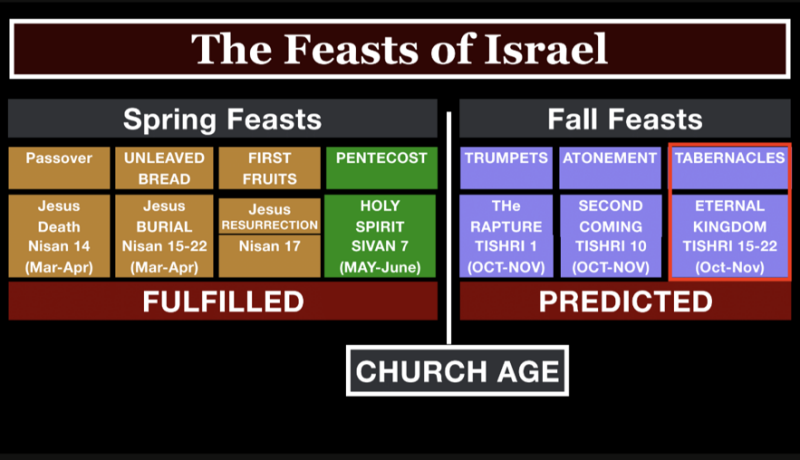
Click or tap the Feasts of Israel for a prophetic timeline and references.
1. The Church Age
We are currently living in the age of grace between Christ’s first coming and His return.
Focus:
- The mission of the Church
- Evangelism and discipleship
- Spiritual alertness
- Living faithfully while waiting
Key Scriptures:
2. The Reestablishment of Israel
Israel becoming a nation again in 1948 is viewed by many as a major prophetic sign.
Key Scriptures:
Big Idea:
God is still working through history and His covenant promises.
3. The Rapture of the Church
This series teaches a primarily pre-tribulation view of the Rapture.
Definition:
Jesus removes His Church before the Tribulation period.
Key Scriptures:
Important Reminder:
The Rapture is meant to produce:
- comfort,
- hope,
- and readiness.
4. The Tribulation Period
A future time of worldwide crisis, deception, and judgment.
Themes:
- Rise of the Antichrist
- Global instability
- Spiritual deception
- God’s judgment and mercy
Key Scriptures:
5. The Bema Seat Judgment
Believers stand before Christ for reward and evaluation — not condemnation.
Focus:
- Faithfulness
- Stewardship
- Eternal reward
Key Scriptures:
6. The Marriage Supper of the Lamb
A heavenly celebration between Christ and His Church.
Key Scripture:
Big Idea:
The end of the story for believers is not fear — it is celebration and union with Christ.
7. The Second Coming & Millennial Reign
Jesus returns visibly and physically to reign on Earth.
Focus:
- Christ defeats evil
- Satan bound
- 1,000-year reign of peace and justice
Key Scriptures:
Important Takeaways
Prophecy Should Produce:
- Hope, not panic
- Readiness, not obsession
- Faithfulness, not fear
- Evangelism, not escapism
Core Thought
History is not spinning out of control.
History is moving toward Jesus Christ.
Final Reflection Question
If Jesus returned today…
- Would we be ready?
- Would we be faithful?
- Would we be living with eternity in mind?
Closing Scripture
Titus 2:11–13 (NIV)
“For the grace of God has appeared that offers salvation to all people. It teaches us to say ‘No’ to ungodliness and worldly passions, and to live self-controlled, upright and godly lives in this present age, while we wait for the blessed hope—the appearing of the glory of our great God and Savior, Jesus Christ
bonus for people who scrolled this far. the Feasts of Israel prophetic timeline

BEYOND THE SERMON
Week 2 Study Guide • Where Are We in Time?
The Church Age: From the Cross To the Crown
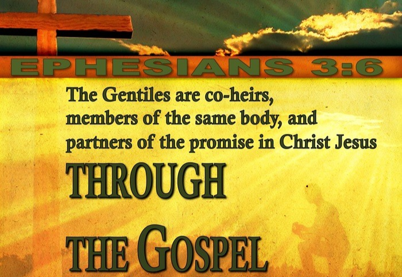
“This mystery is that through the gospel the Gentiles are heirs together with Israel,
members together of one body, and sharers together in the promise in Christ Jesus.”
Sermon Overview
This week opened a series asking a foundational question: Where are we in God’s timeline? The answer from Scripture is clear—we are living in the Church Age, the period between Christ’s resurrection and His return. This is not a parenthesis in history. It is the age of grace, the age of the Gospel going to the nations, and the fulfillment of a plan God ordained before the foundation of the world.
The sermon explored five anchoring truths:
- The Church Age was part of God’s eternal plan—not a backup.
- We live in the tension between the Cross (victory) and the Crown (return).
- The Church was born at Pentecost/Shavuot—a feast built into God’s calendar.
- The Church’s mission has not changed: go, preach, disciple, love.
- We are called to expectation and wakefulness, not fear.
Word Study at a Glance
The sermon unpacked four key terms that define who we are and what we’re living in. Use this table as a quick reference:
| Language | Word | Meaning | Key Idea |
|---|---|---|---|
| Hebrew | (Qahal) | Assembly / Congregation | Summoned by God’s voice |
| Greek | ἐκκλησία (Ekklesia) | The called-out ones | People, not a building |
| German/English | Kirche / Church | Belonging to the Lord | Ownership: His assembly |
| Greek | μυστήριον (Mystērion) | Once-hidden, now revealed | Not secret—disclosed! |
Reflection: Which of these four definitions is most new or surprising to you? Why?
Dig Deeper — Scripture Connections
Read each passage and note what it adds to your understanding of the Church Age.
On the Qahal — God’s Assembly Through History
Deuteronomy 9:10 • Nehemiah 8:2 • Acts 7:38
How do these Old Testament gatherings connect to what the Church is today?
On the Ekklesia — Called Out for a Purpose
Matthew 16:18 • 1 Peter 2:9–10 • Ephesians 1:22–23
What does it mean practically to be “called out” in your daily life and relationships?
On the Mystērion — The Revealed Secret
Ephesians 3:1–6 • Colossians 1:25–27 • Romans 16:25–27
Paul says this mystery was “not made known in other generations.” What does it mean to you that you live on this side of the revelation?
On Pentecost/Shavuot — The Birthday of the Church
Leviticus 23:15–17 • Exodus 32:28 • Acts 2:1–41
Look at the parallel between Sinai and Pentecost: law on stone vs. Spirit on hearts. What does that contrast reveal about the New Covenant?
On Living Between the Cross and the Crown
2 Peter 3:9 • Romans 8:22–25 • 1 Thessalonians 5:4–6
How does God’s patience (2 Pet 3:9) change the way you view the delay of Christ’s return?
Discussion Questions
Use these in a small group, with a friend, or for personal journaling.
- The sermon said, “The Church is not God’s backup plan—it’s part of His eternal plan.” How does that shift the way you think about your role in the Church?
- Ekklesia means “called out.” From what has God called you out? Into what has He called you?
- God chose the timing of Pentecost to land on Shavuot—when pilgrims from every nation were already in Jerusalem. What does that intentionality tell you about how God works?
- The mystērion is that Jews and Gentiles are co-heirs, one body, equal partners. Where do you see division in the Church today that this truth should challenge?
- The sermon drew a contrast: some people use end-times focus to disengage (“hide until He comes”) while Jesus says “go.” Which pull do you feel more in your own life?
- 2 Peter 3:9 says every day Christ delays is a day of mercy. How does this reframe your ordinary week?
Personal Application
Choose one action step from the list below and write out how you will live it this week:
- Memorize Ephesians 3:6 and meditate on what “heirs together” means for how you treat other believers.
- Research one of the three Hebrew feast connections (Passover, Shavuot, Tabernacles) and journal what it reveals about God’s redemptive plan.
- Identify one person in your life who hasn’t heard the Gospel. Pray for them by name every day this week as an act of participating in the ongoing harvest.
- Sit with the tension: write down one area of your life where you’re struggling to “live ready” and bring it honestly before God in prayer.
My commitment this week:
Coming Up in the Series
As this series—“Where Are We in Time?”—continues, future weeks will explore:
- The Rapture — What does Scripture actually teach, and when?
- The Tribulation — Its purpose, its players, and what it reveals about God’s justice.
- The Antichrist — Biblical portrait vs. popular speculation.
- The Millennial Reign of Christ — What is it, and why does it matter?
- Living Ready — What faithful presence looks like until He returns.
Prepare your heart by reading Revelation 1–3 this week and noting what Jesus says to the churches—the called-out ones living between His first and second coming.
“Because one day the sky will split, the trumpet will sound,
and the King will return. Until that day—we live ready.”