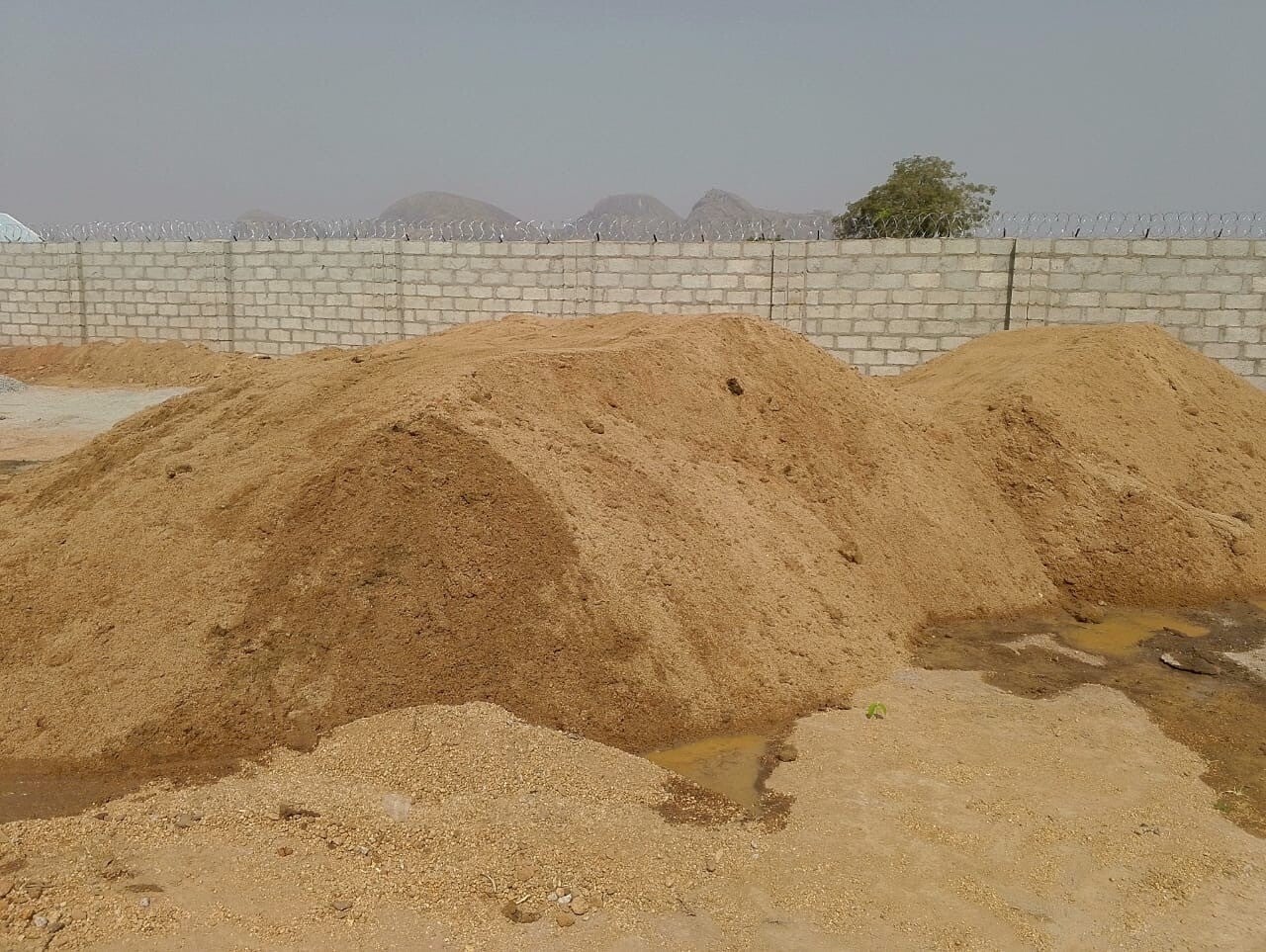
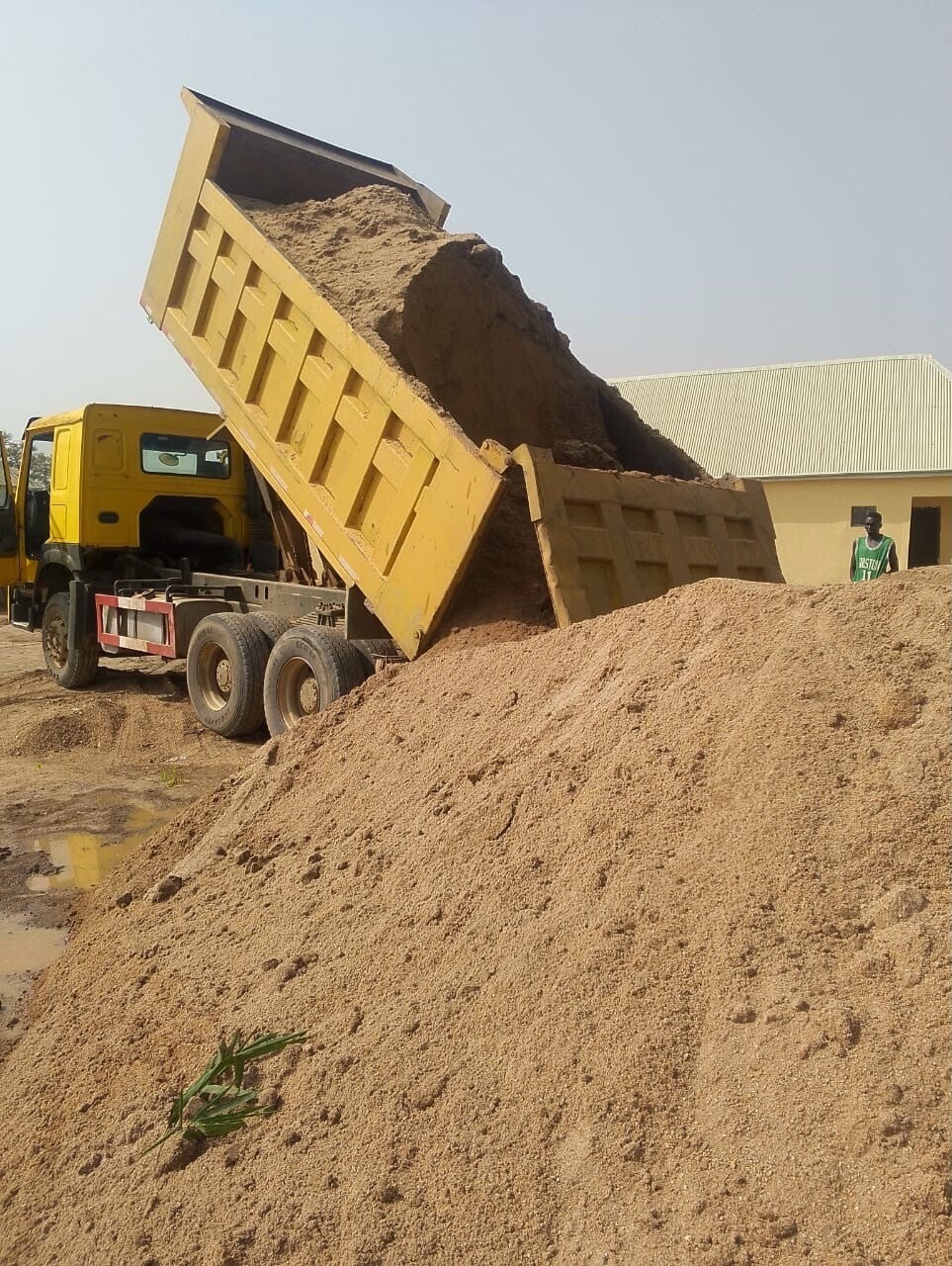
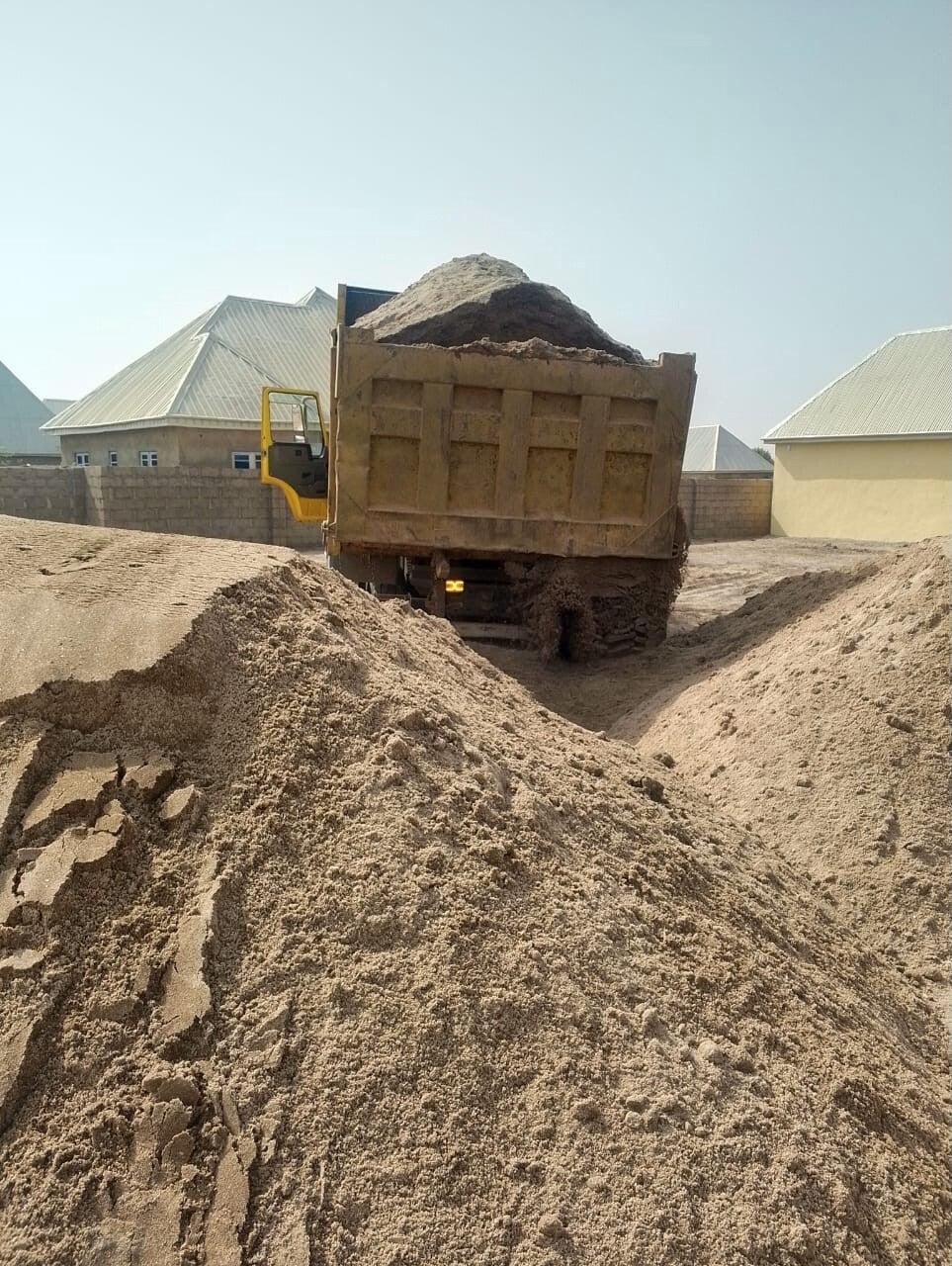
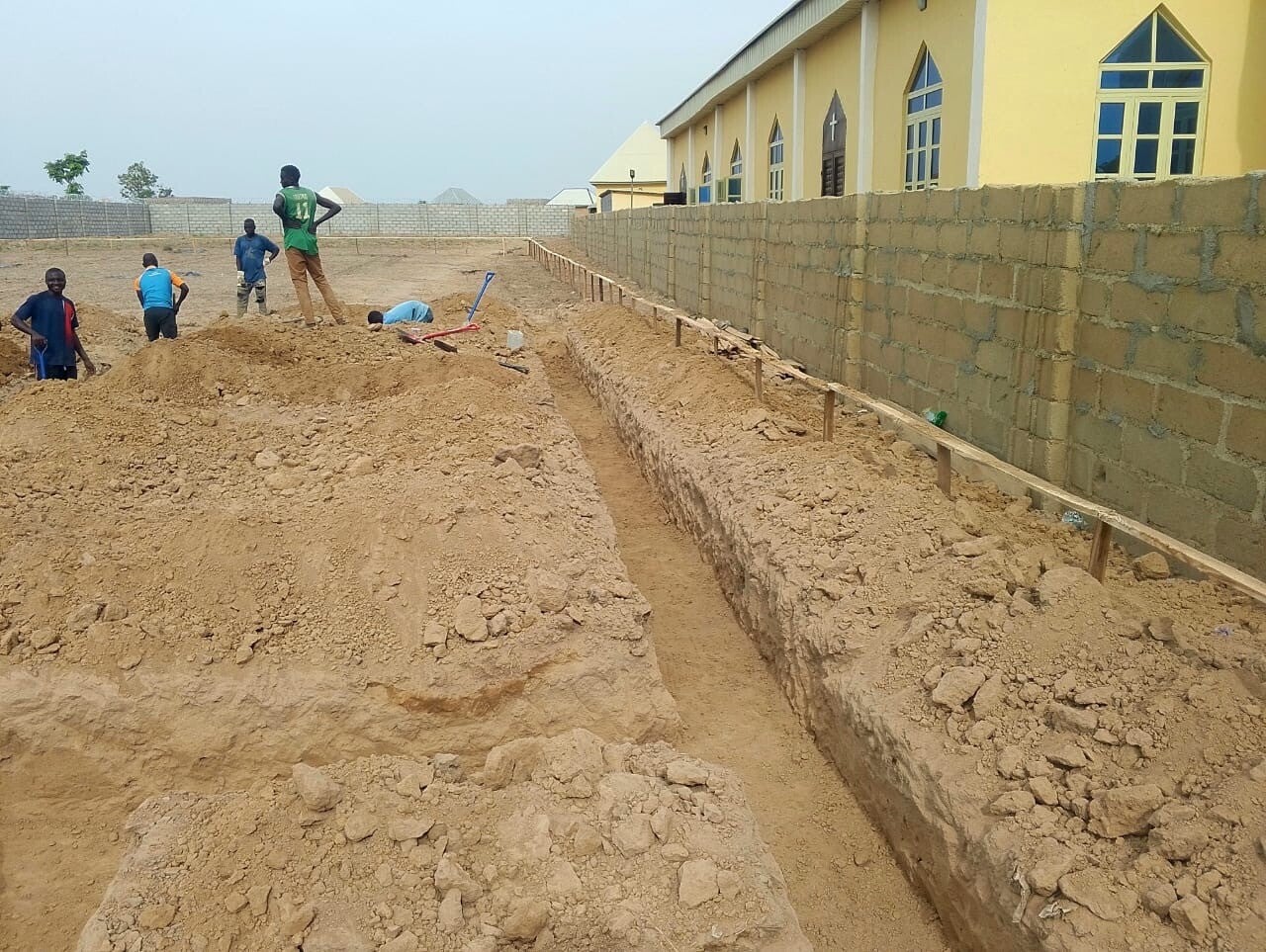
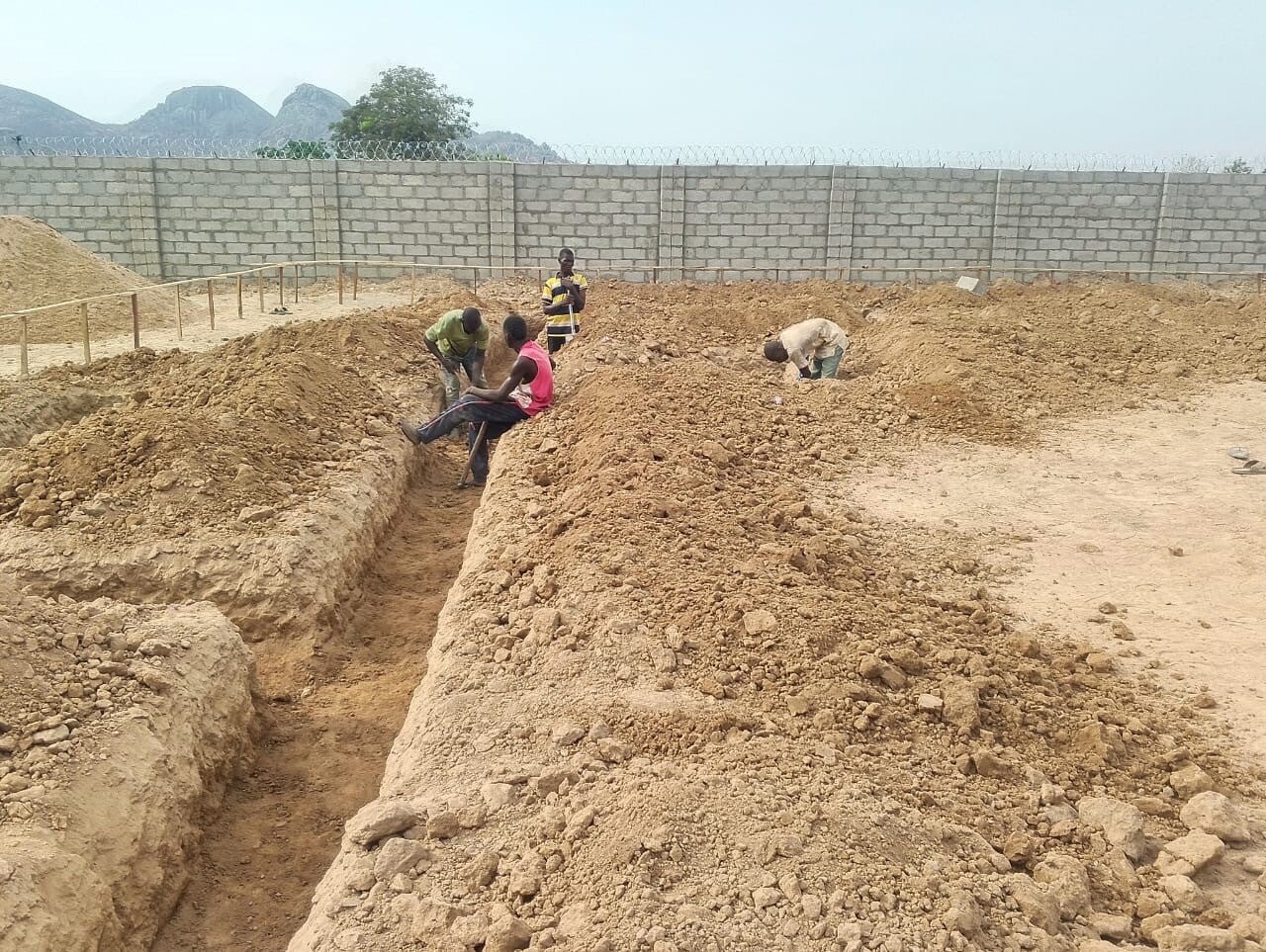
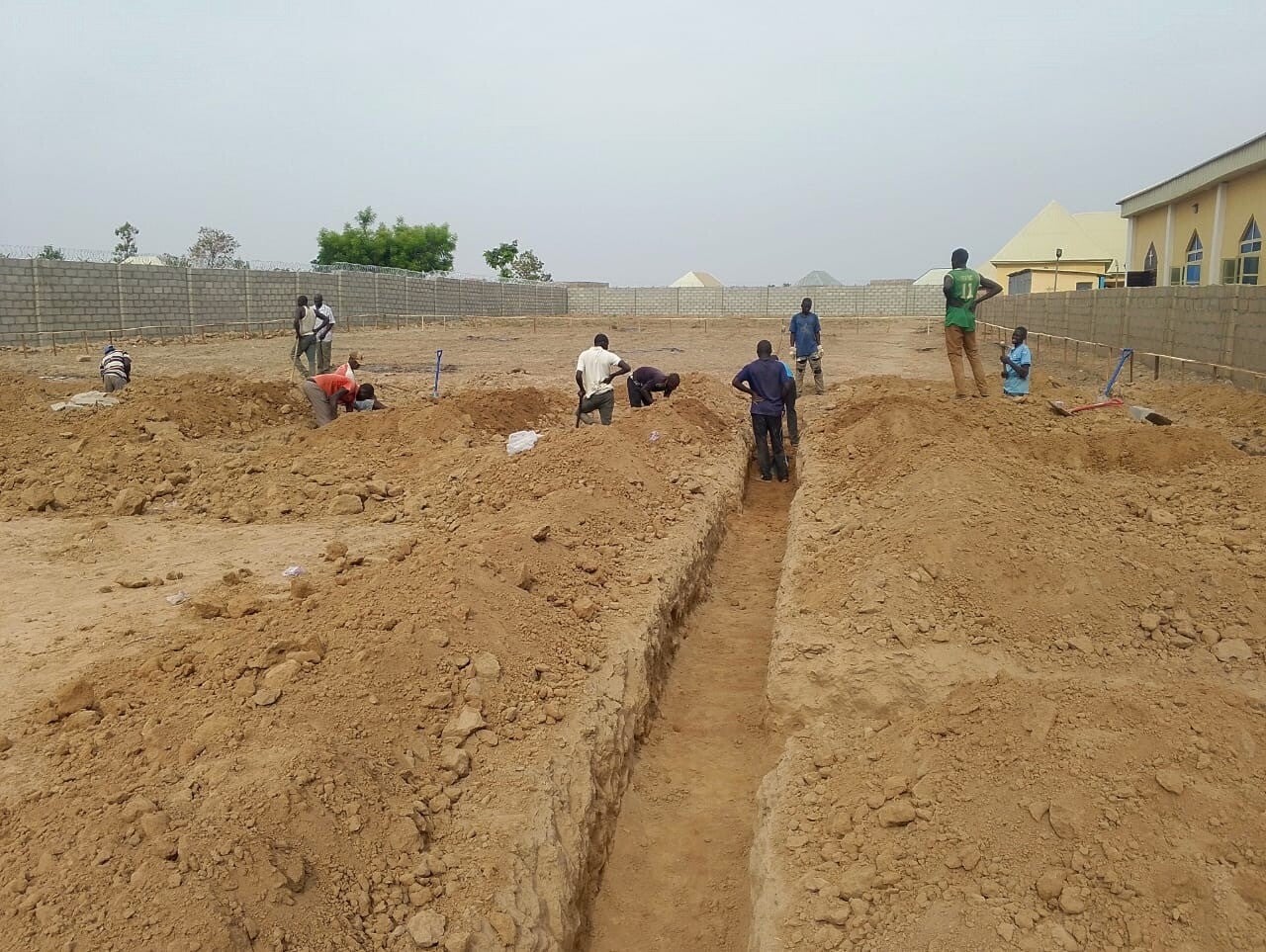
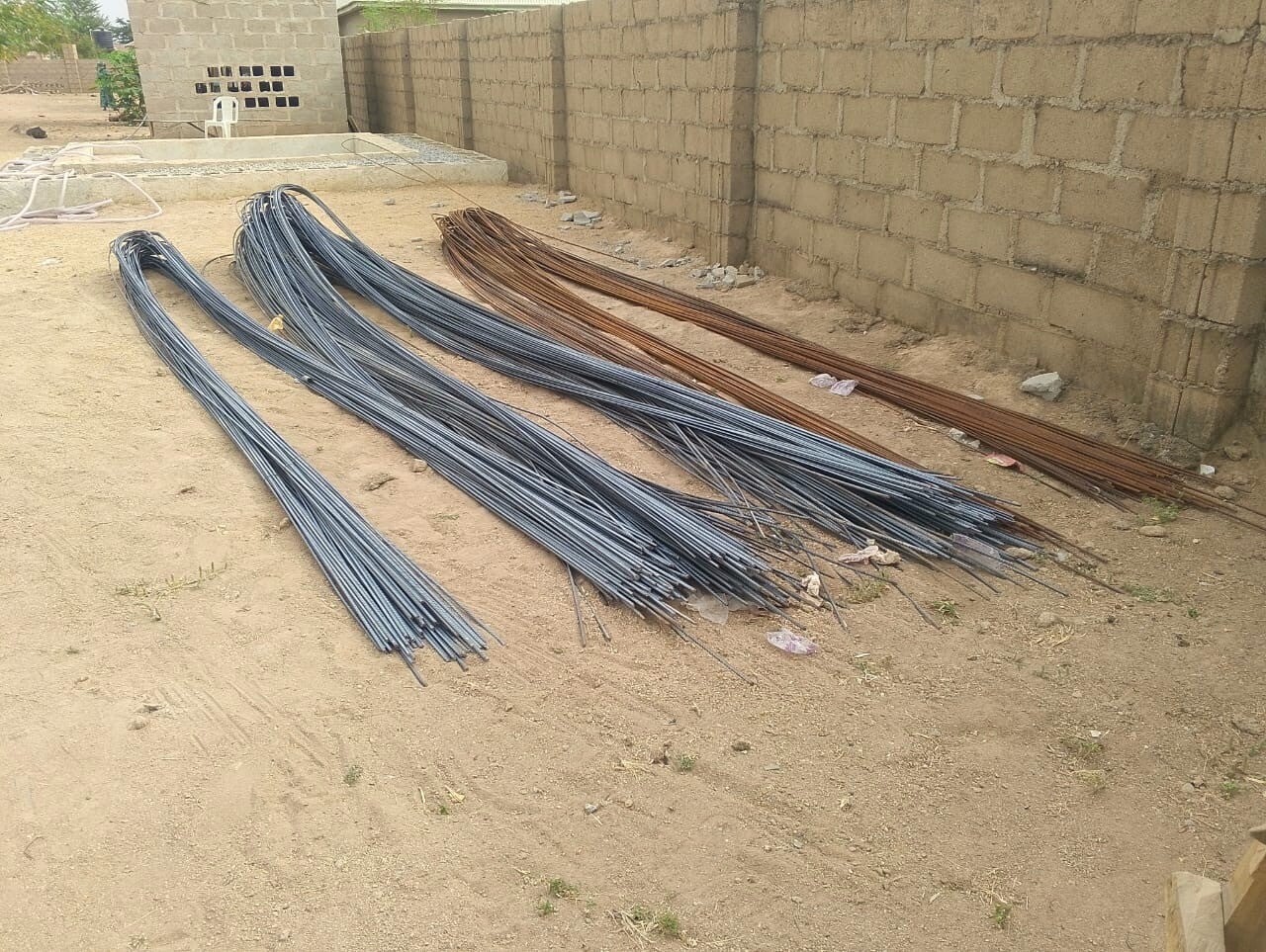
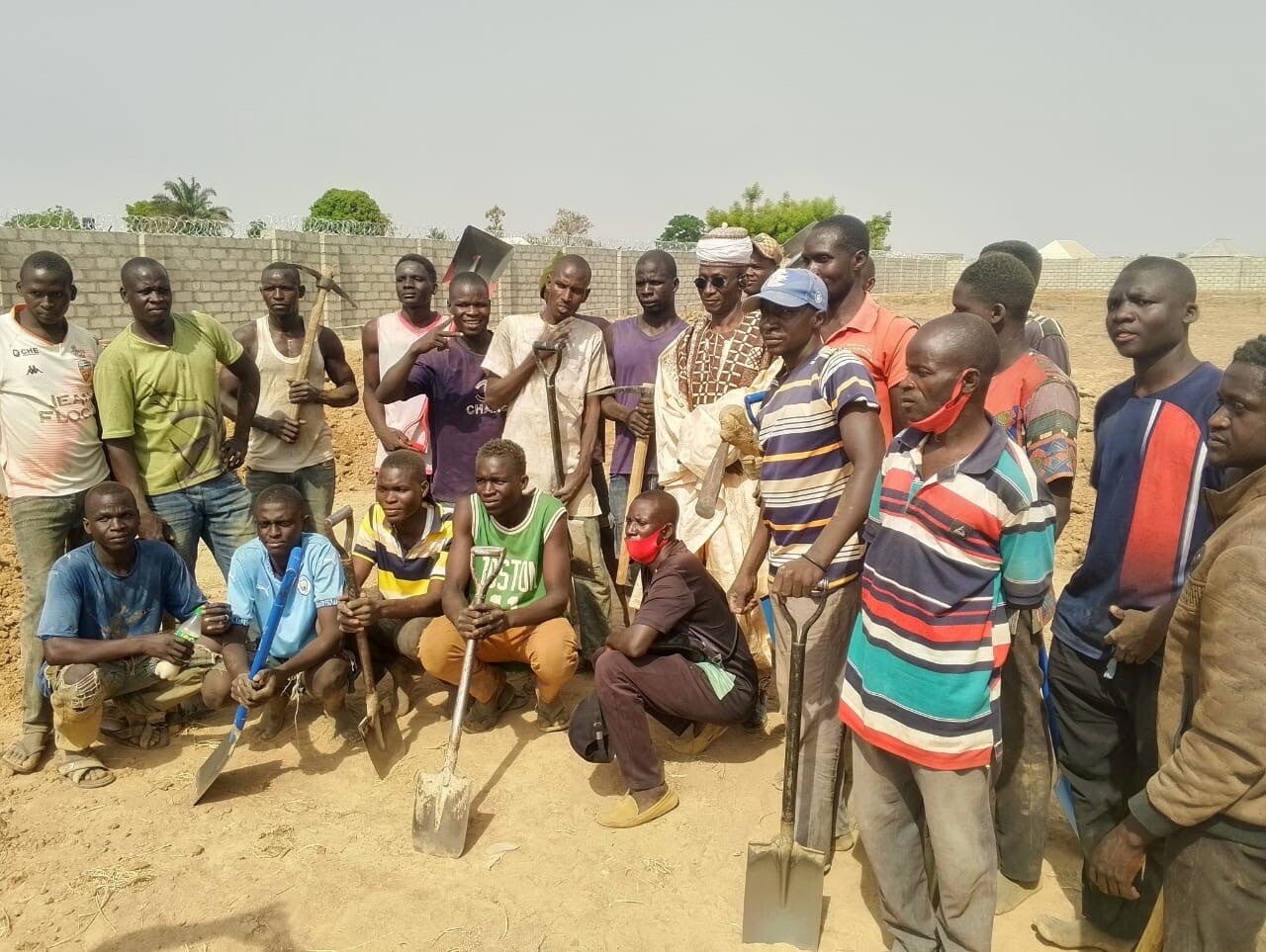
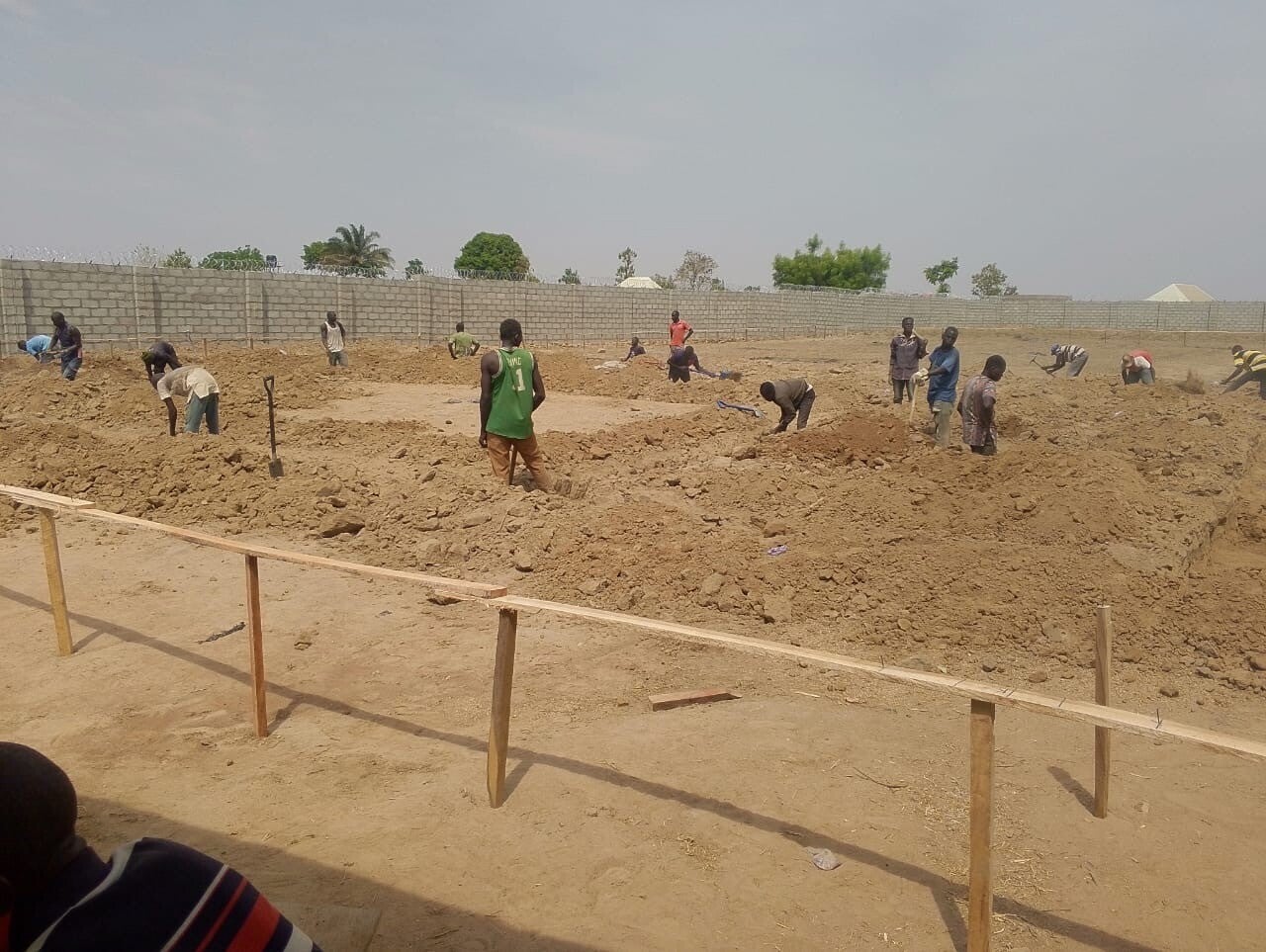
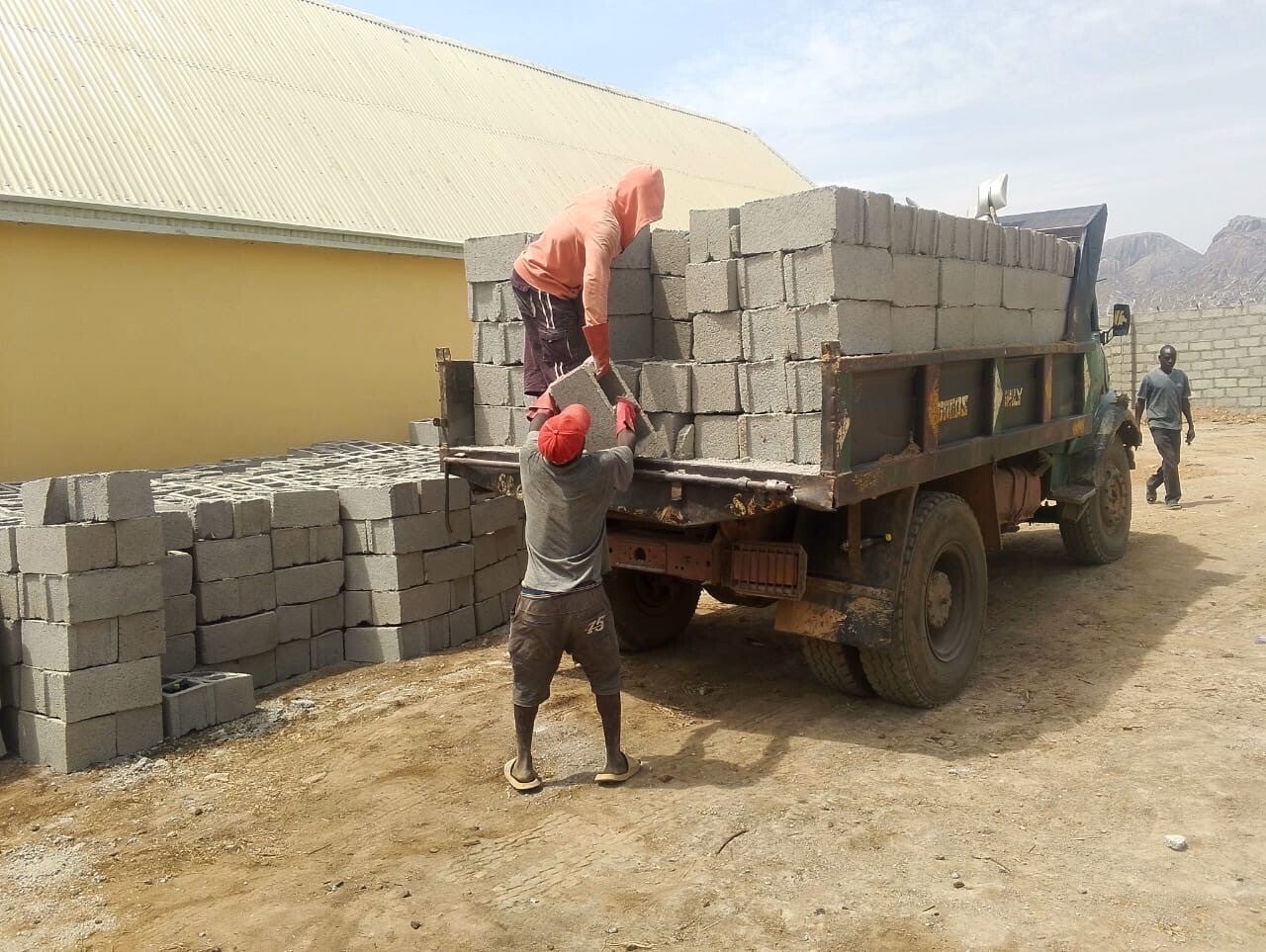
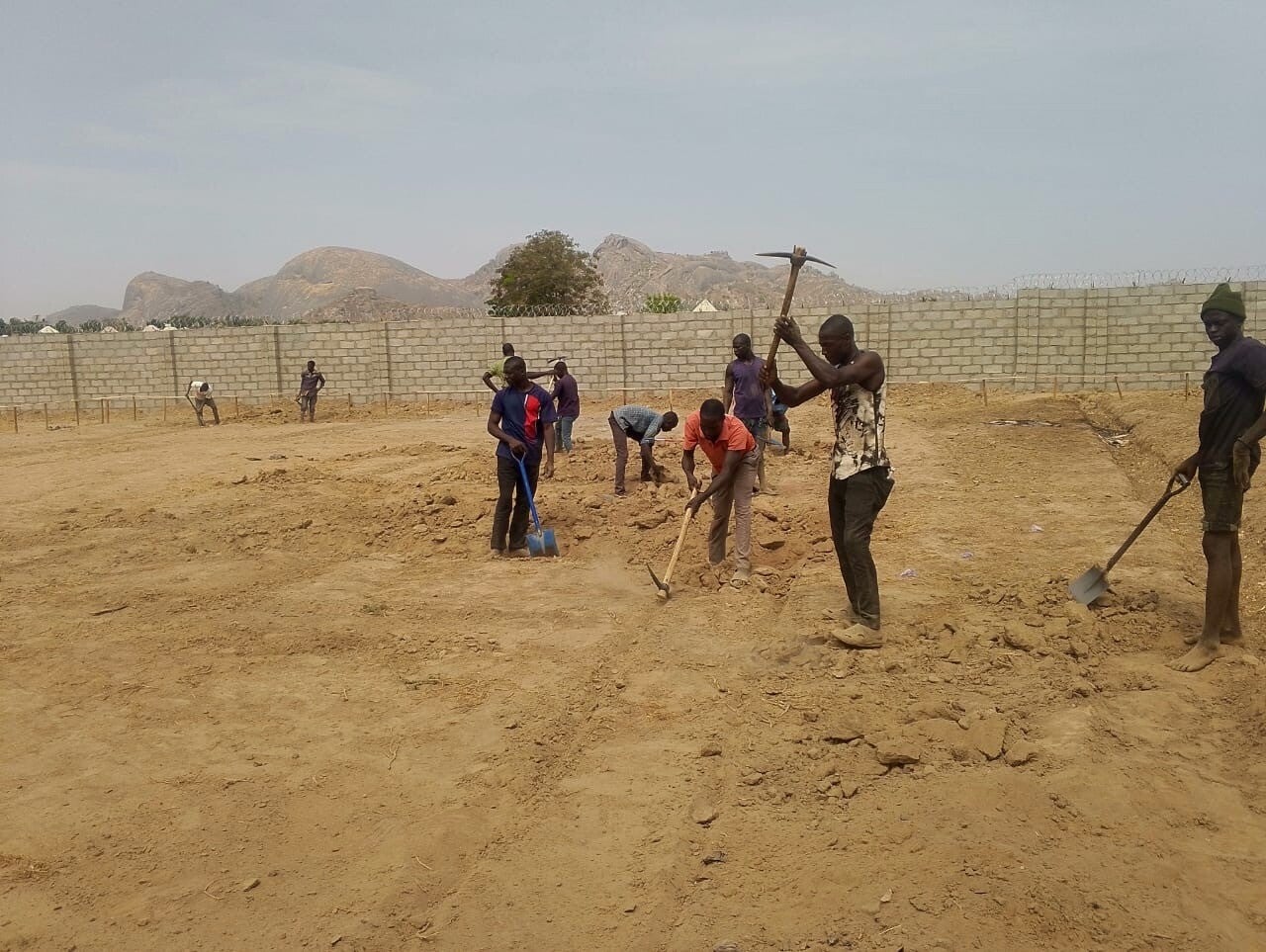
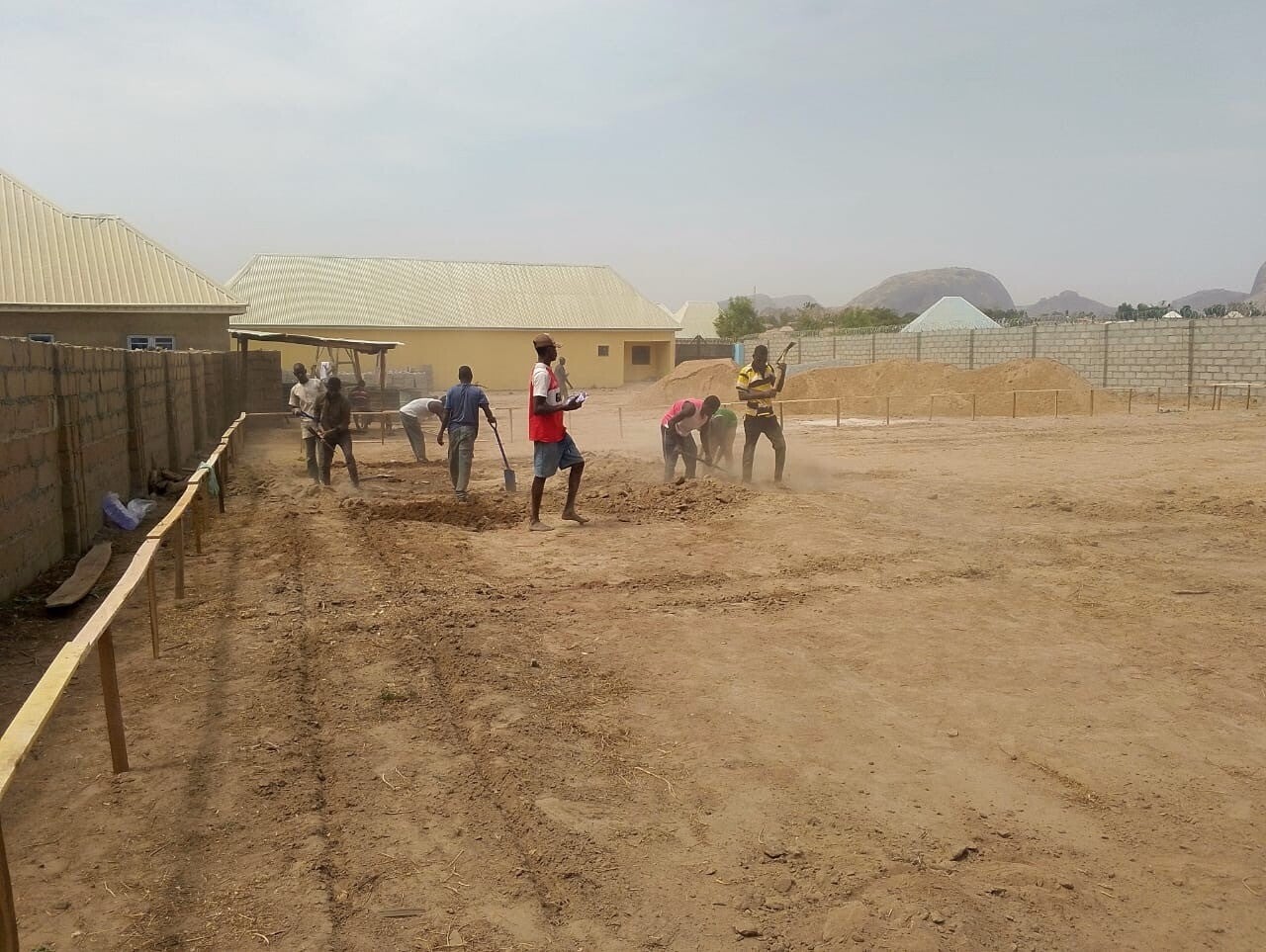
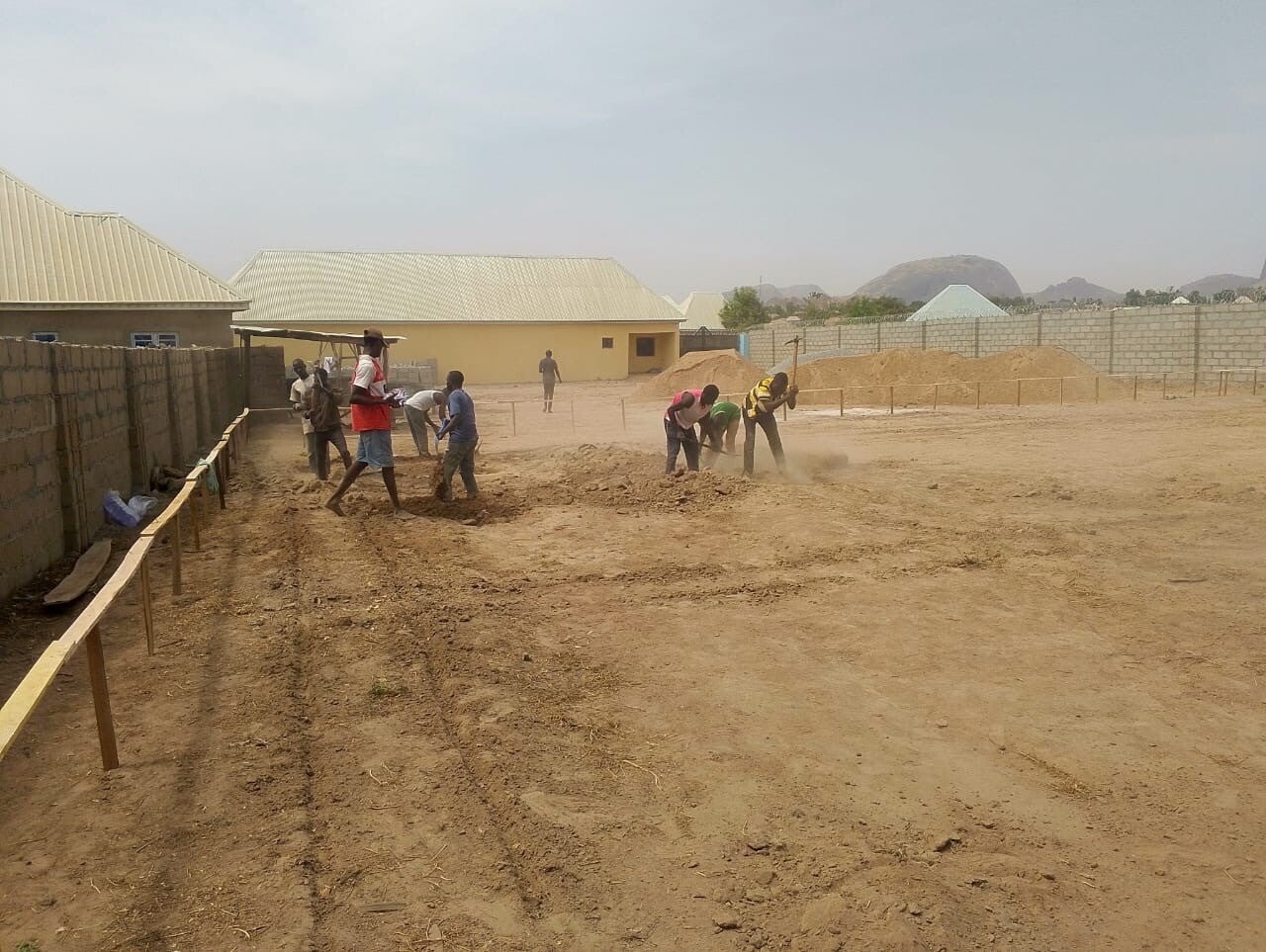
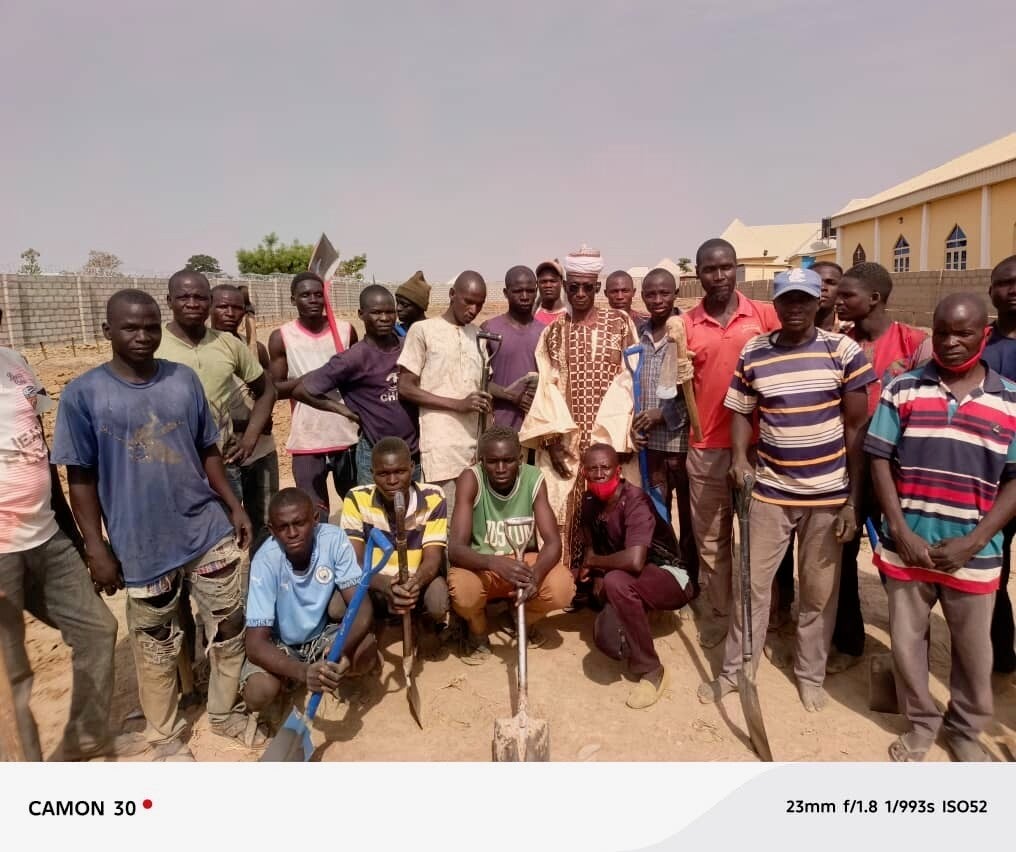
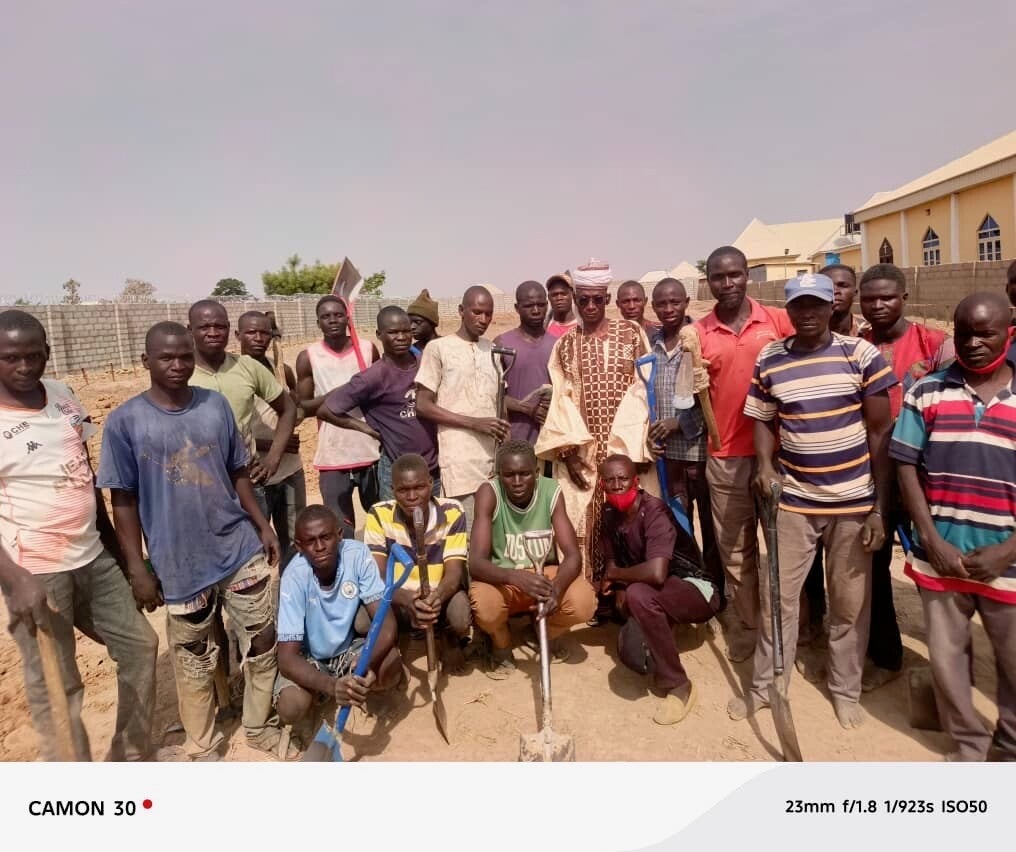
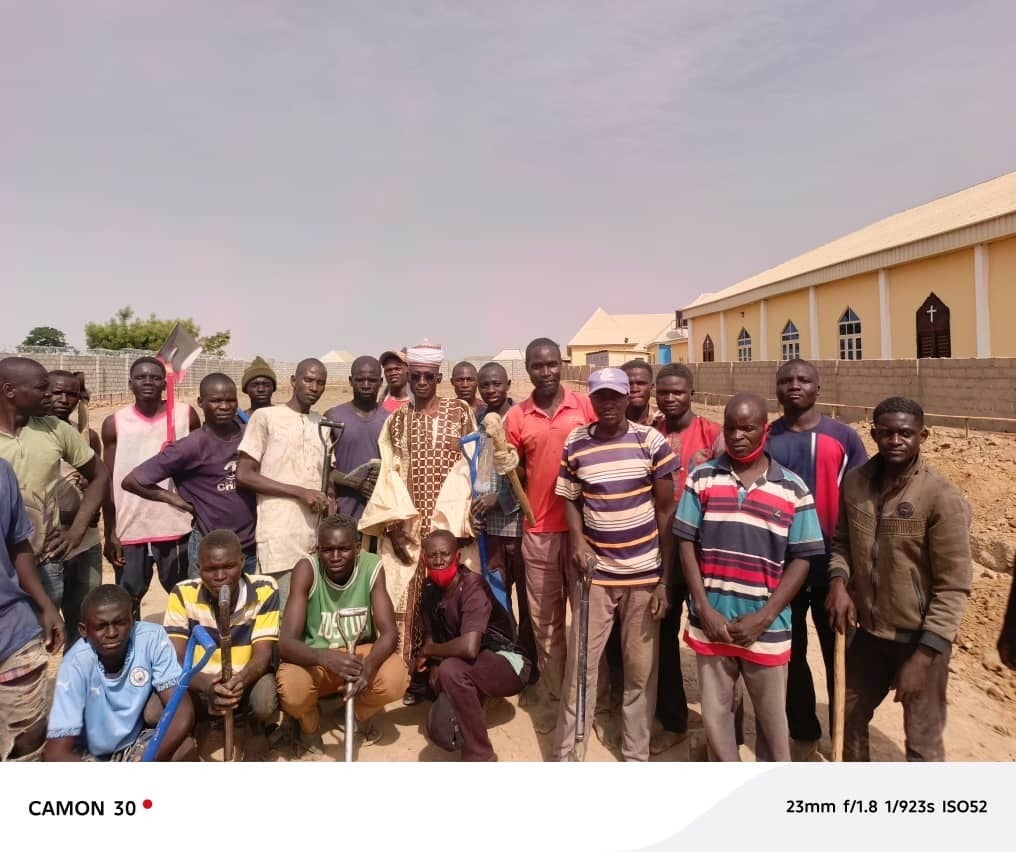
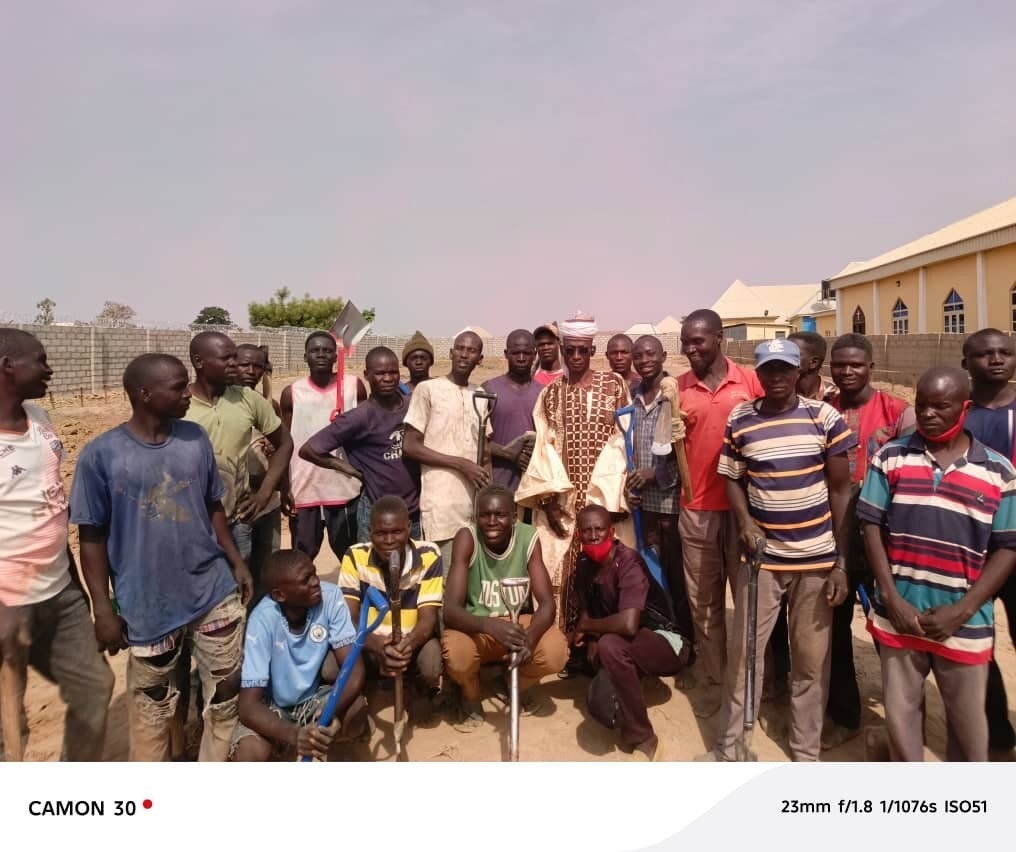
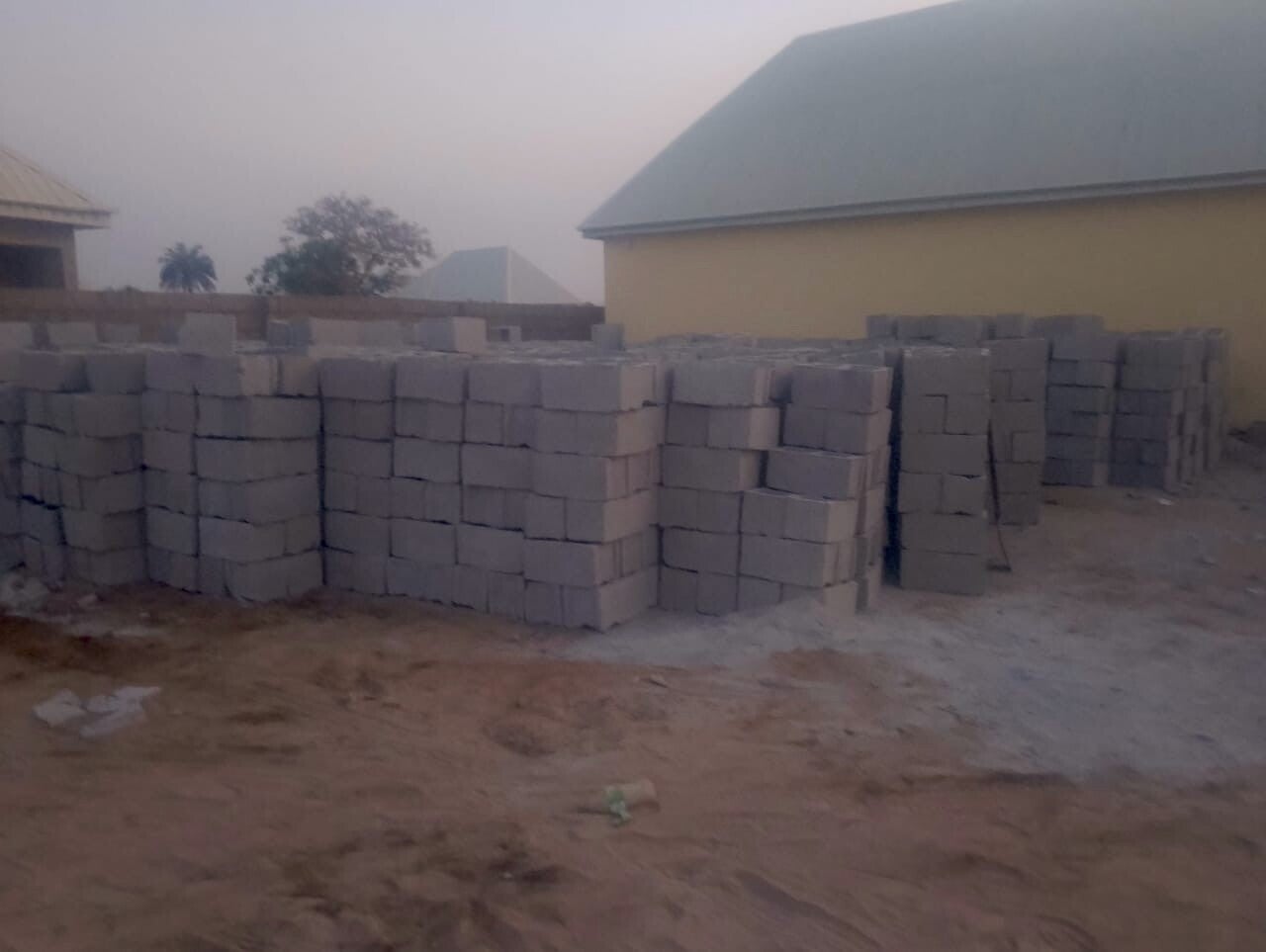
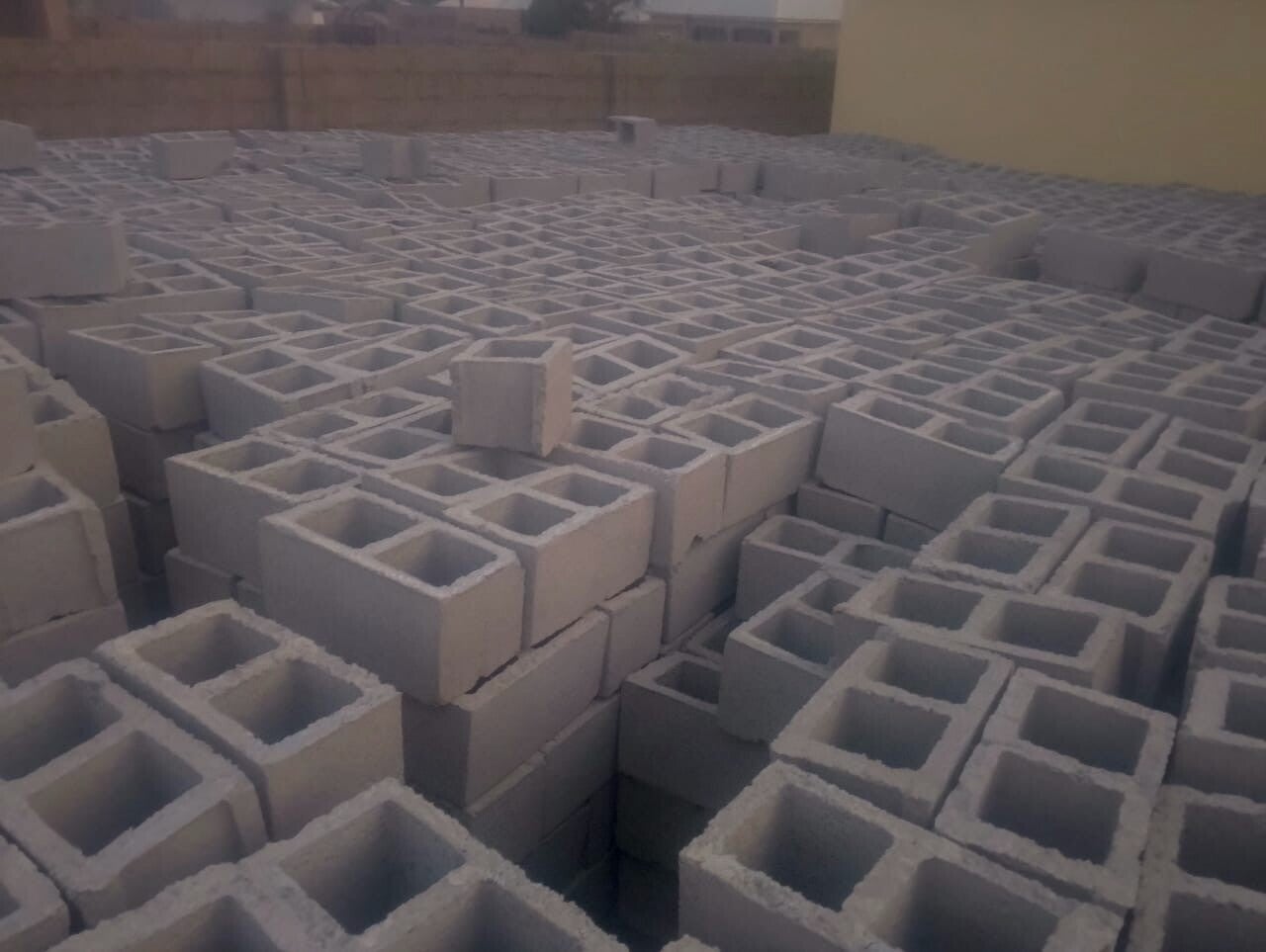
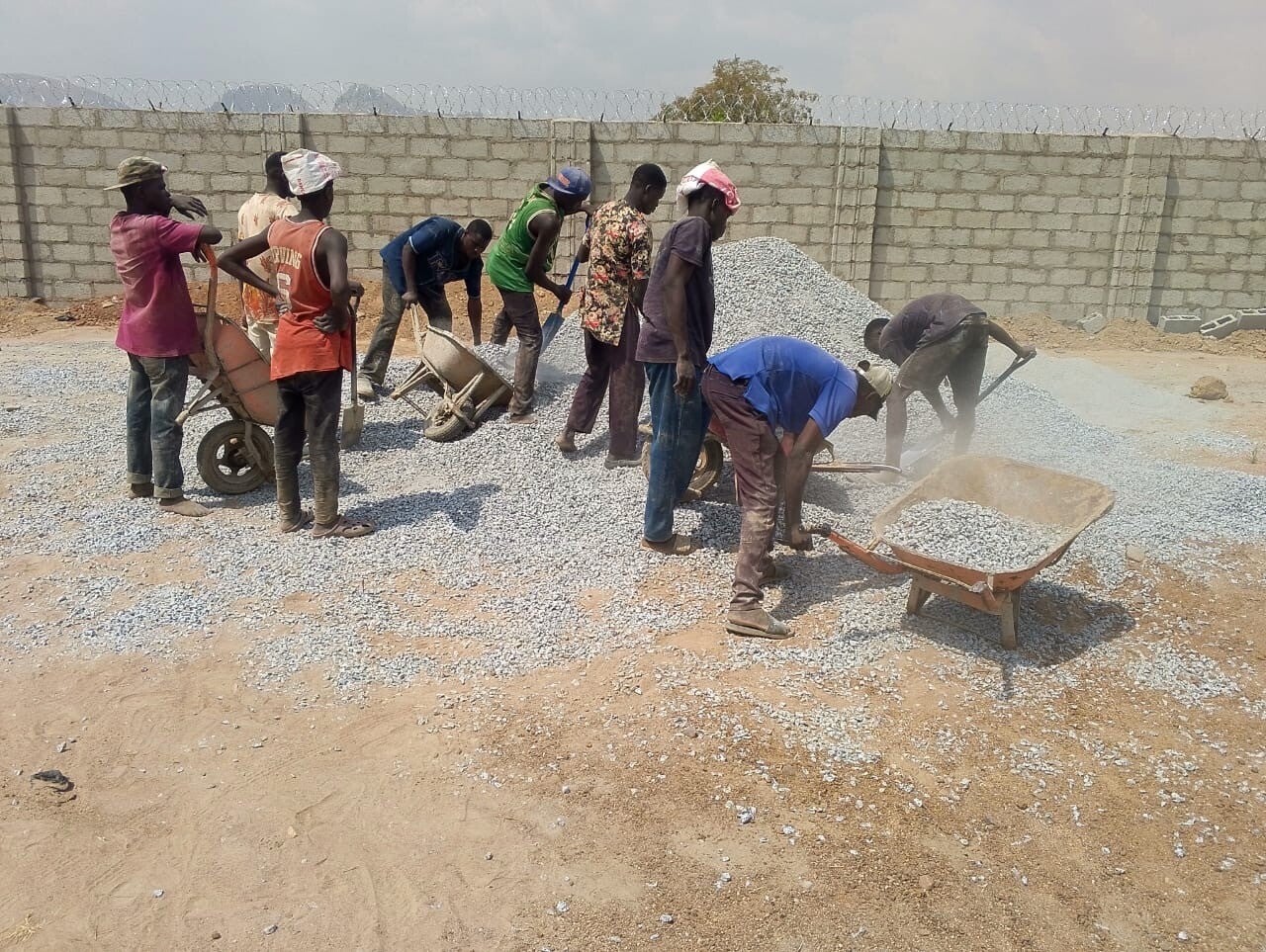
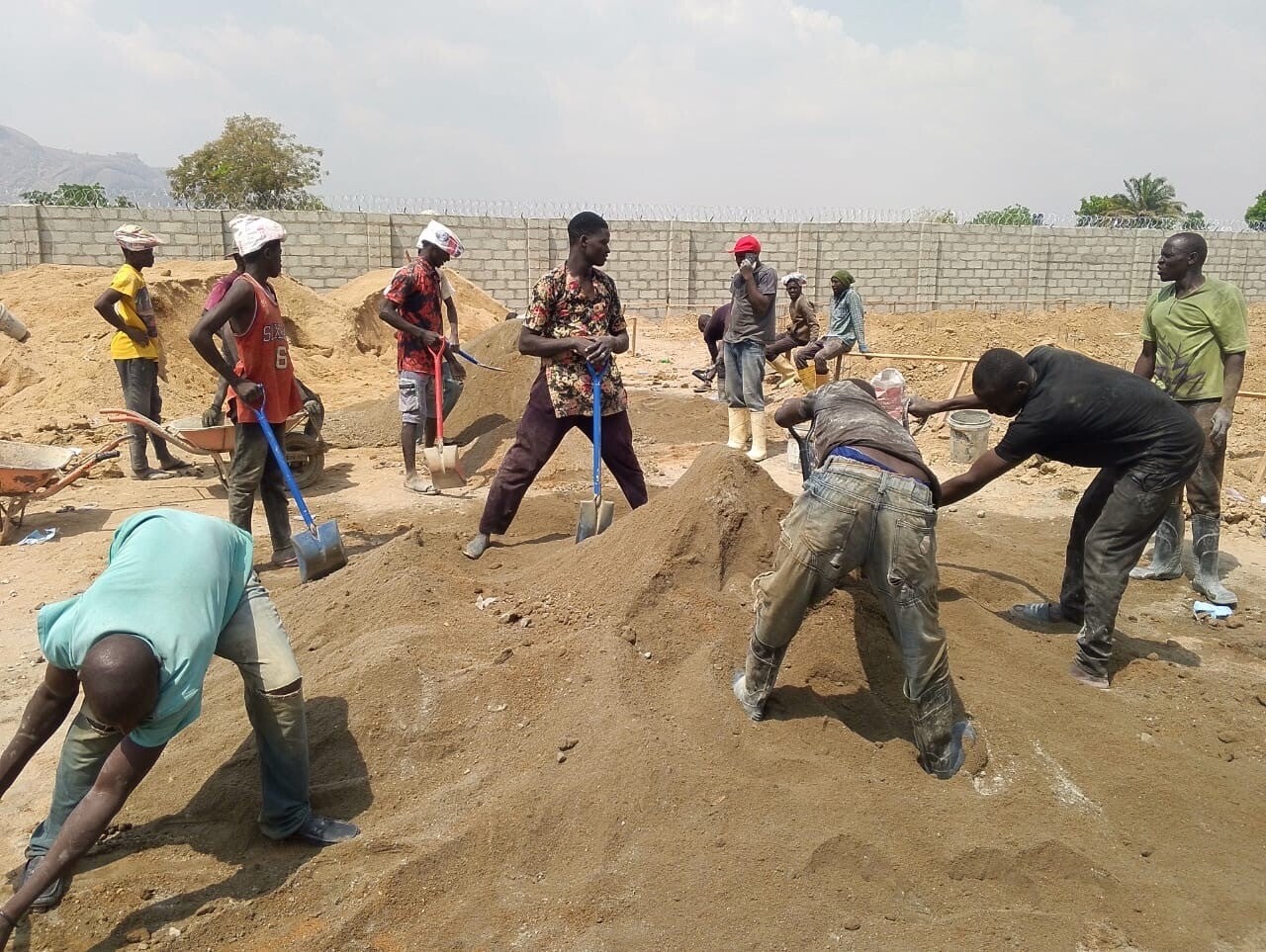
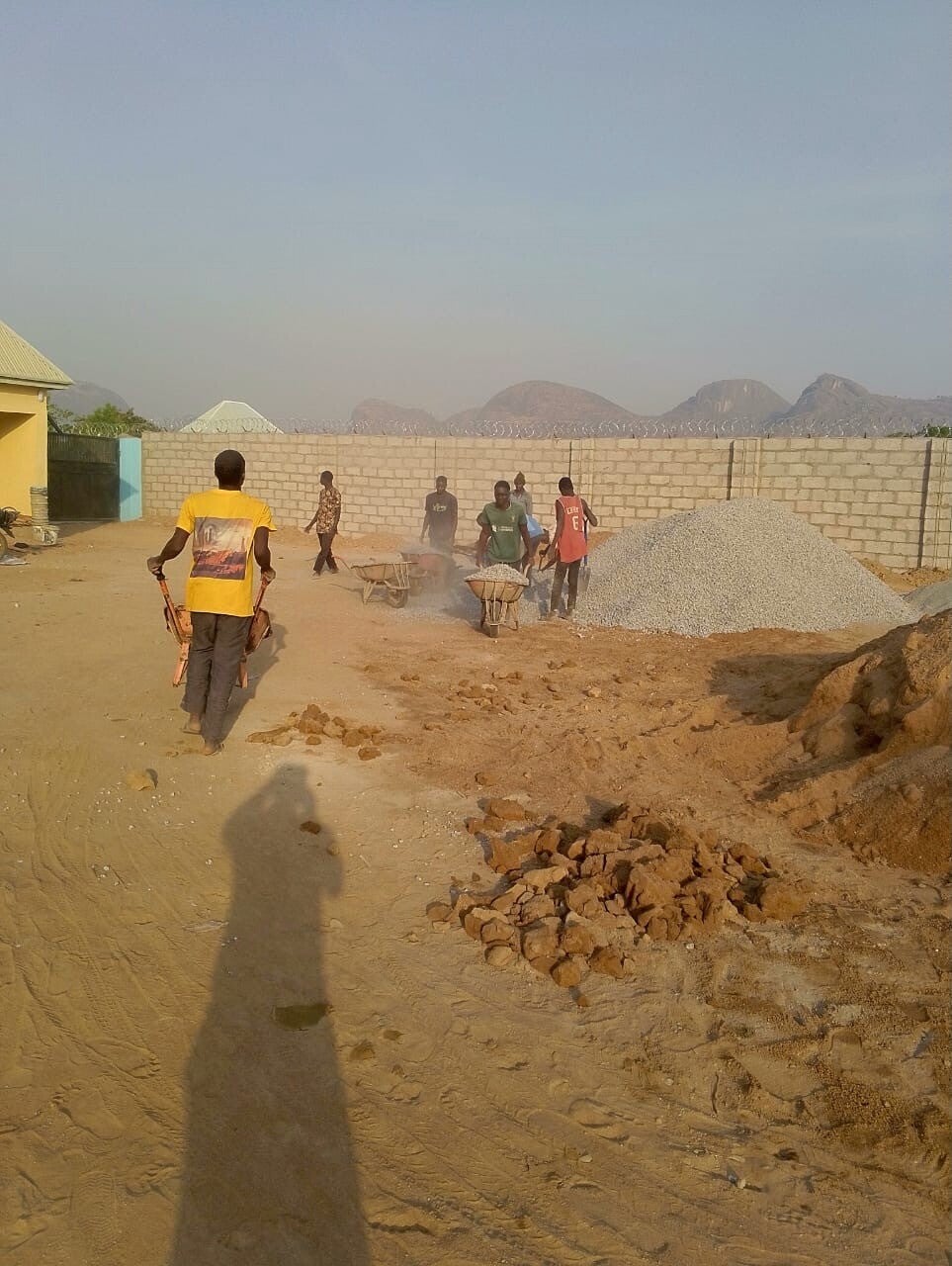
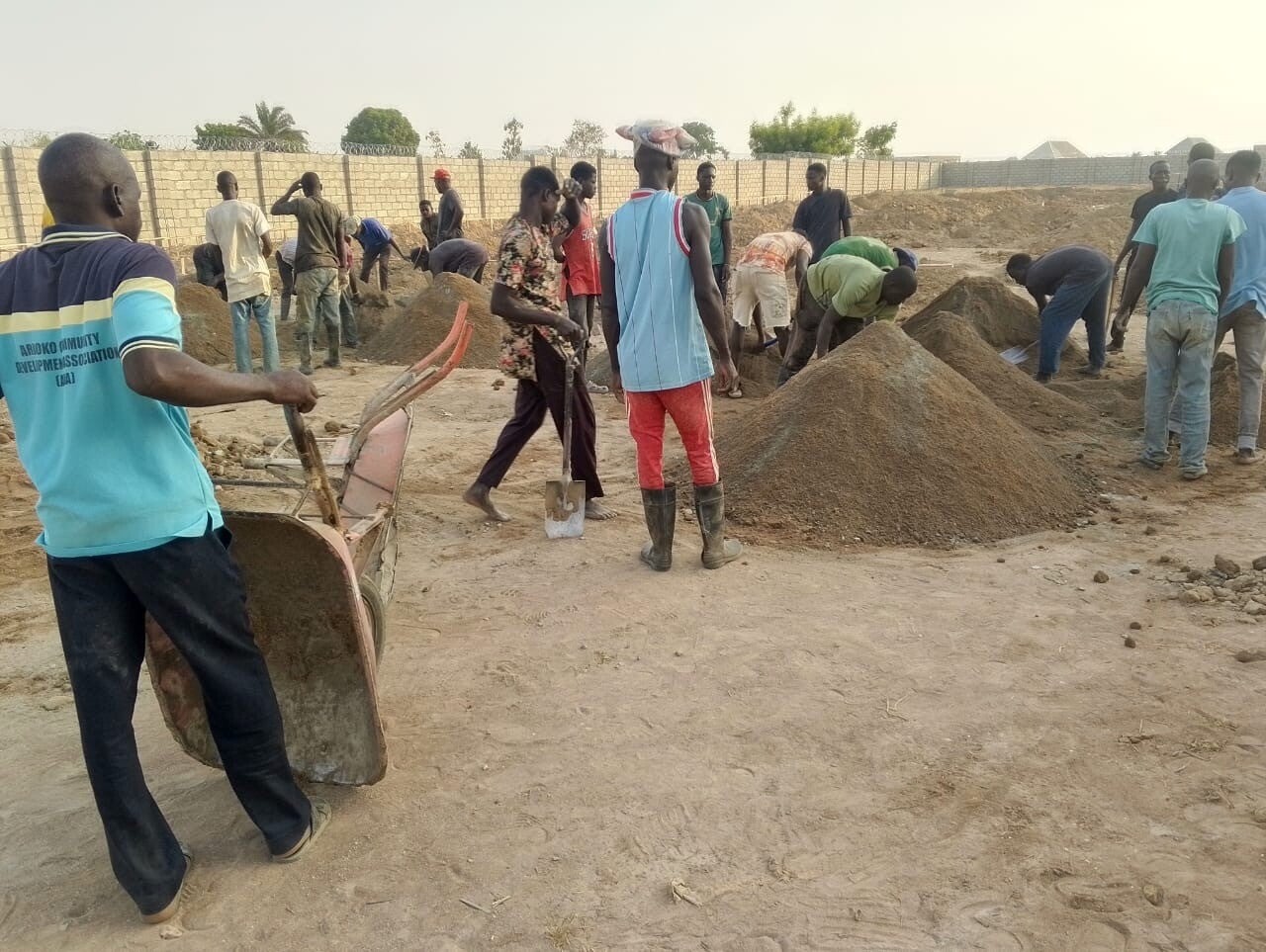
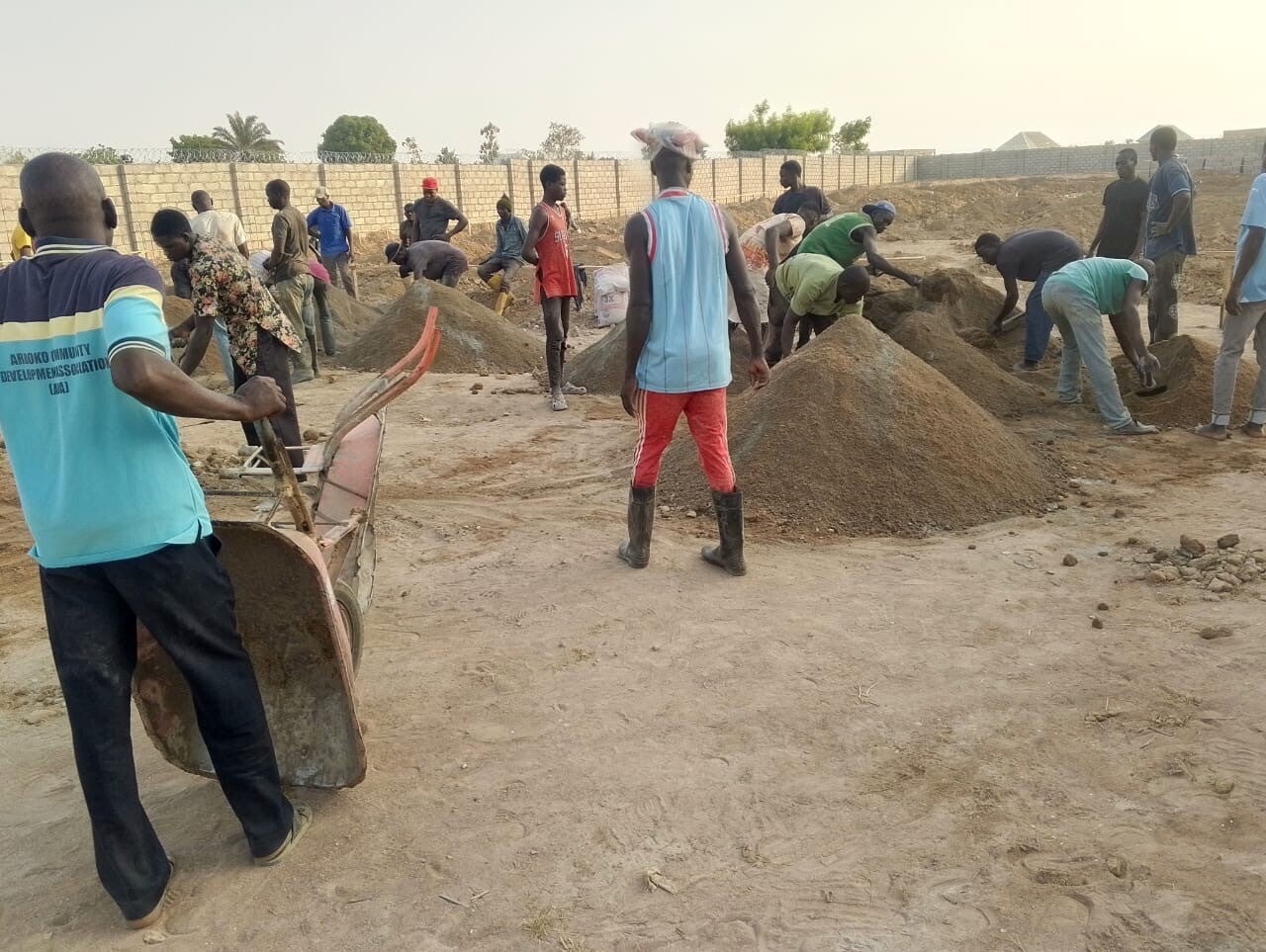
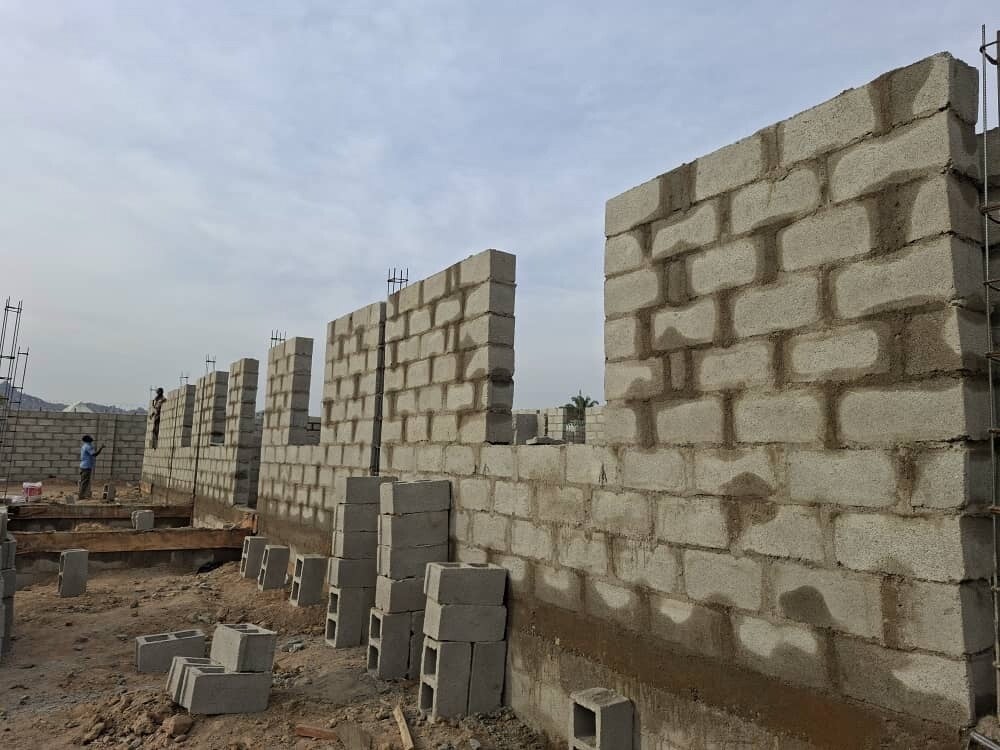
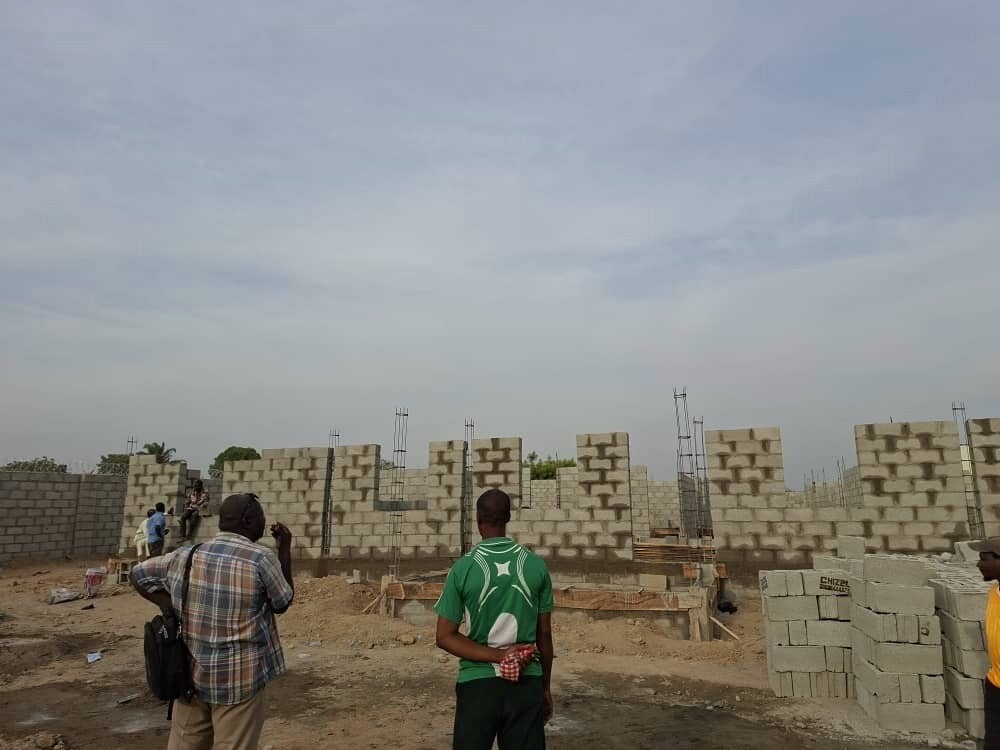
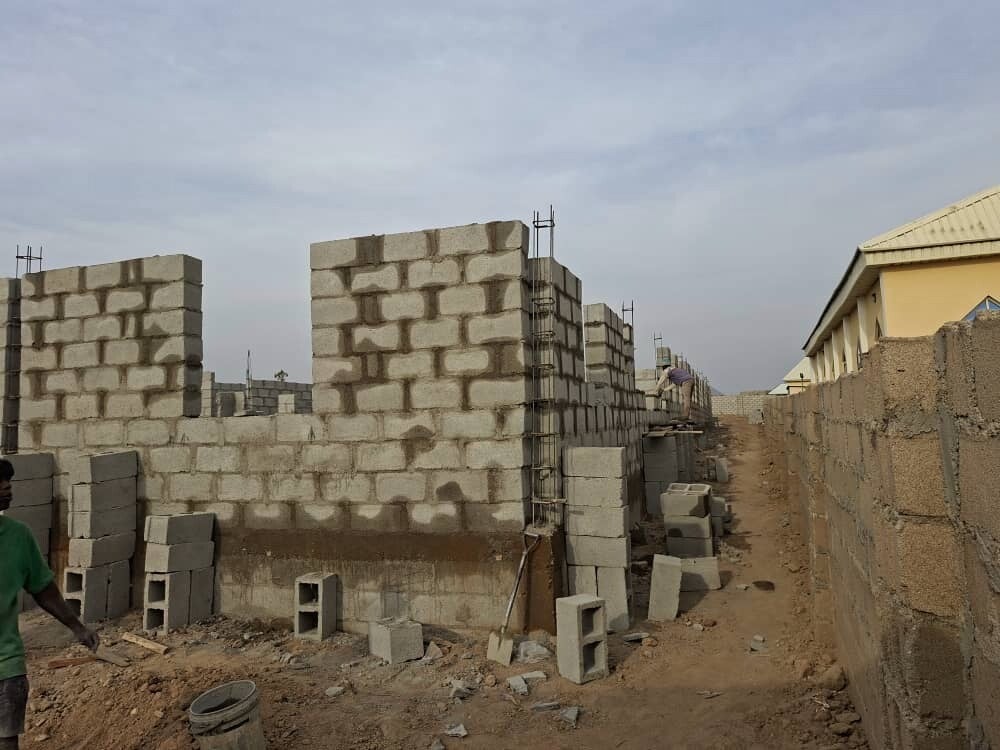
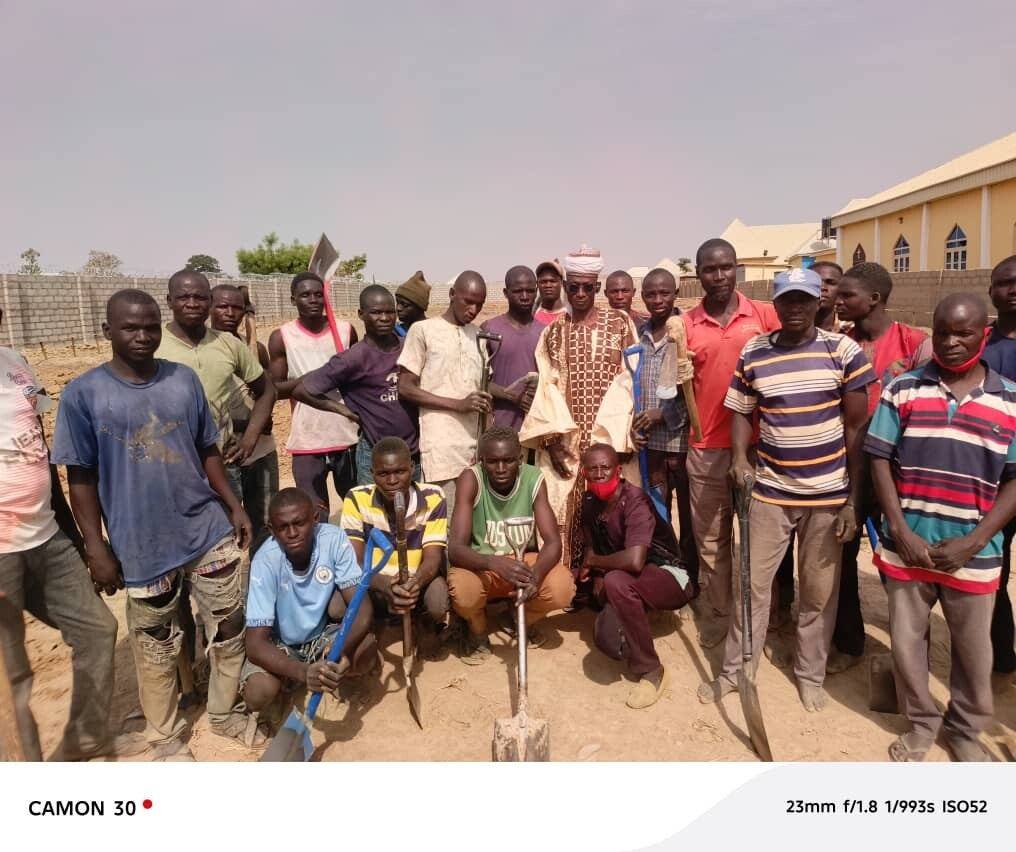
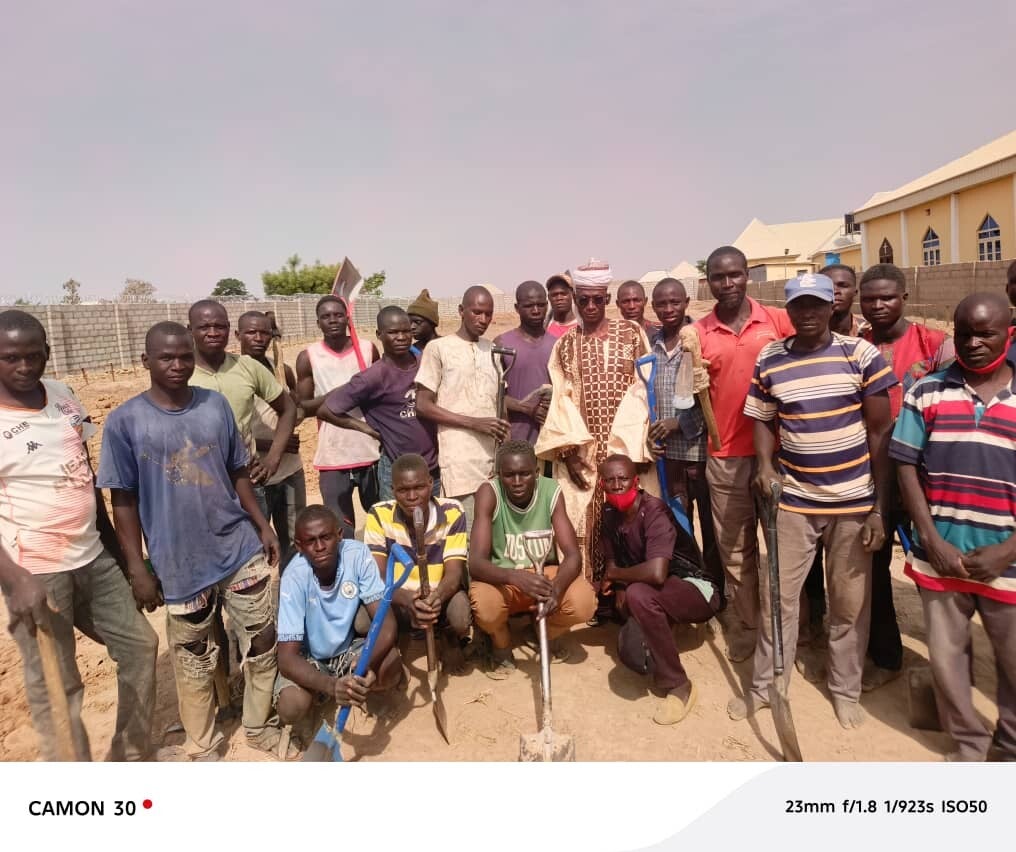
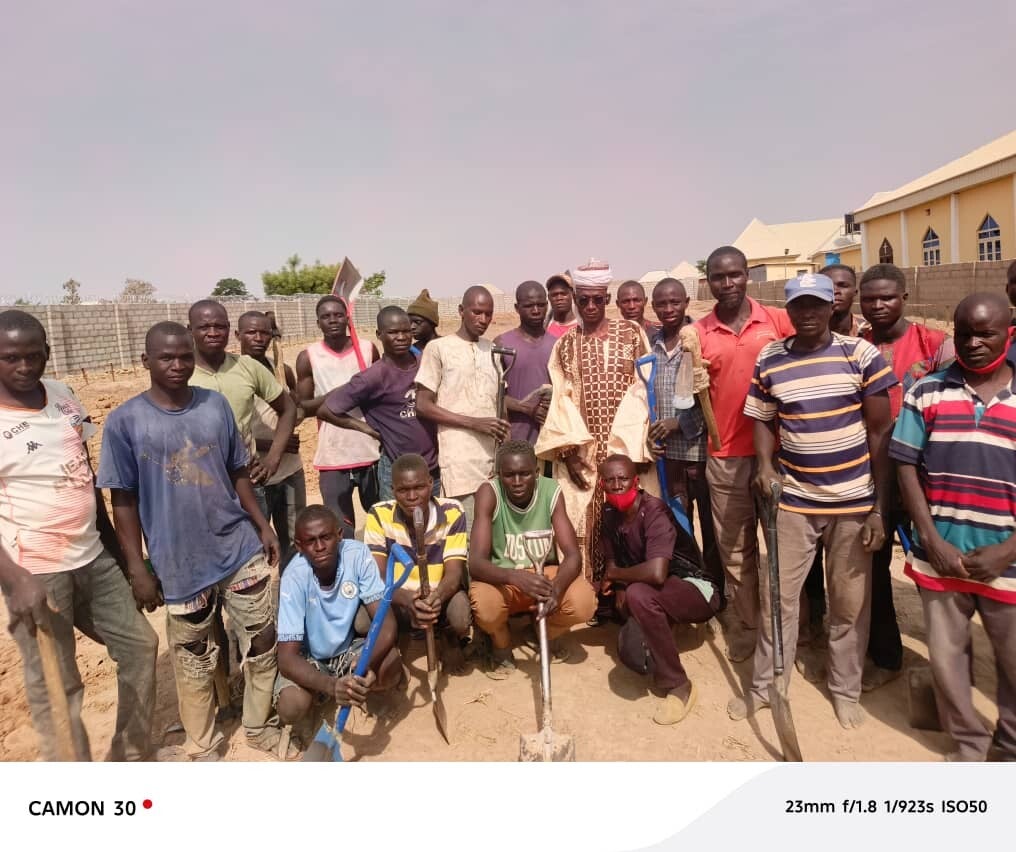
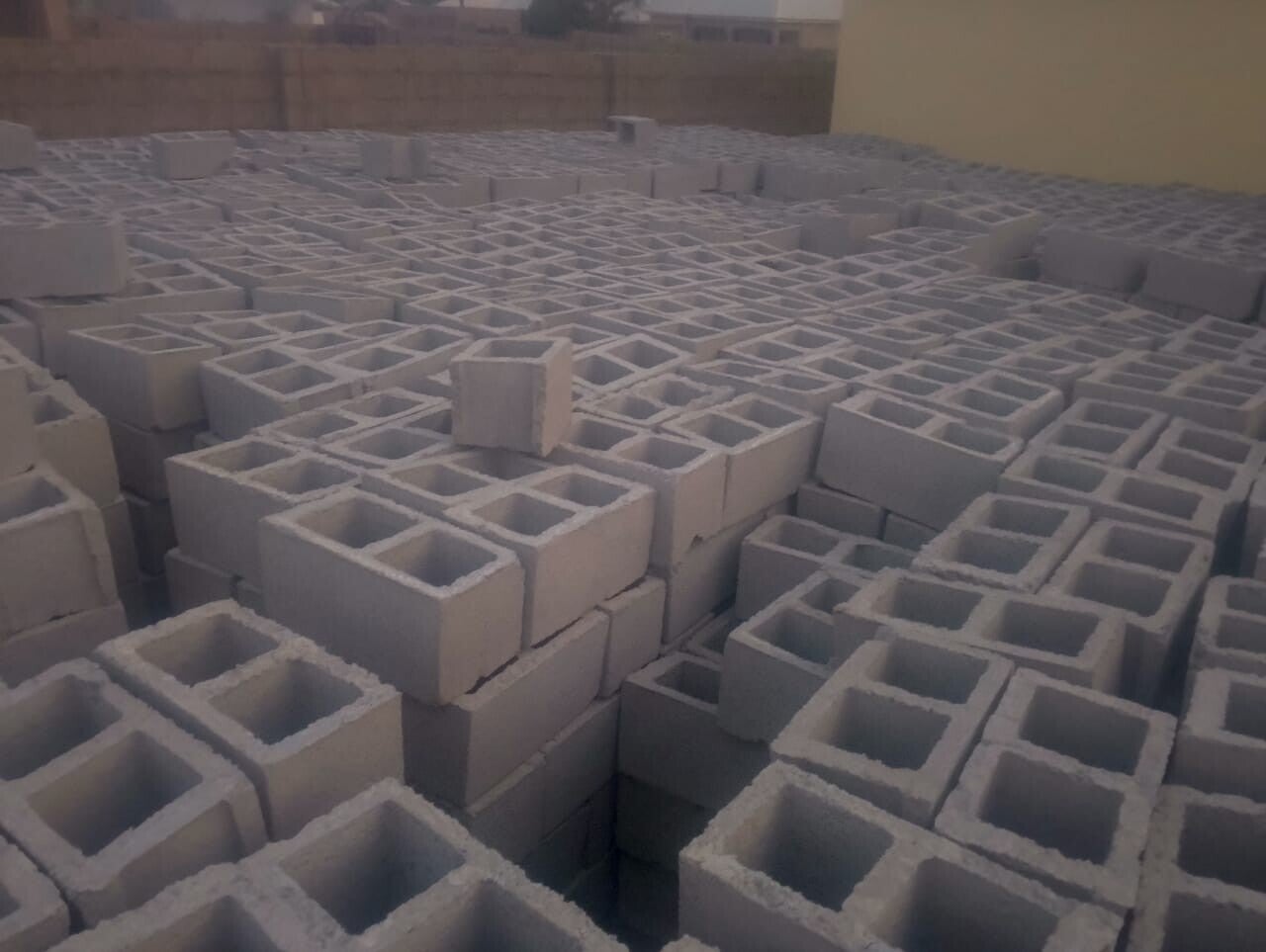
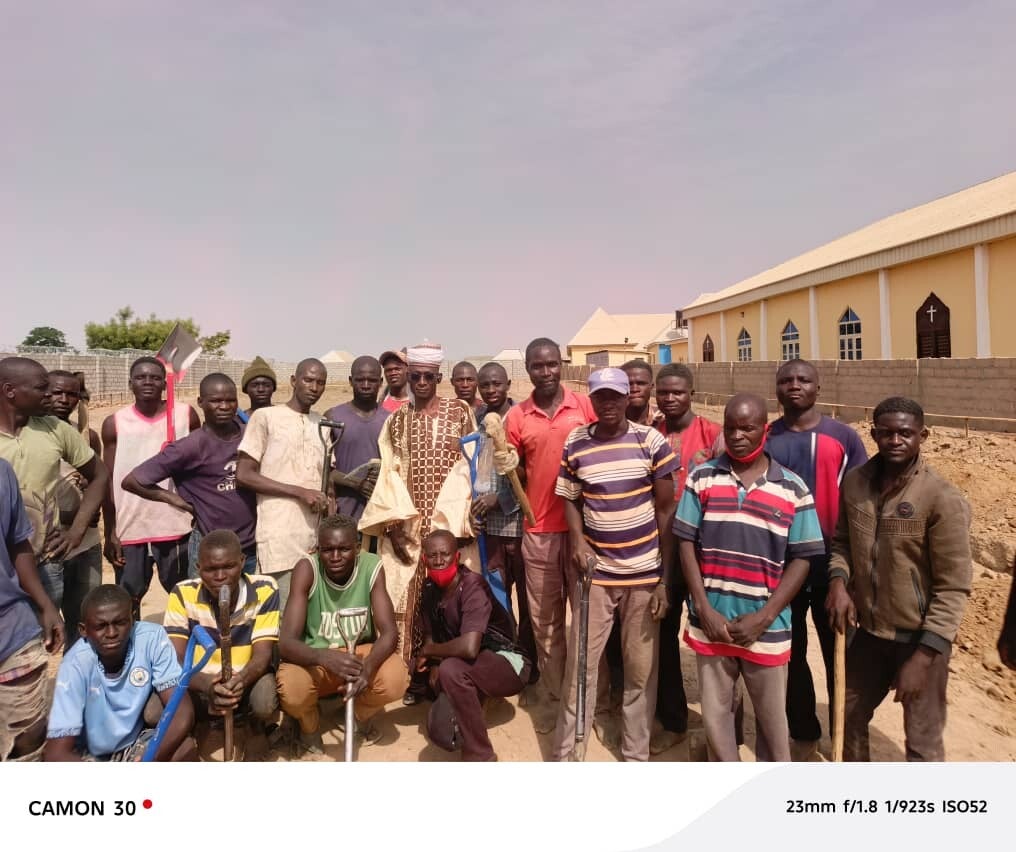
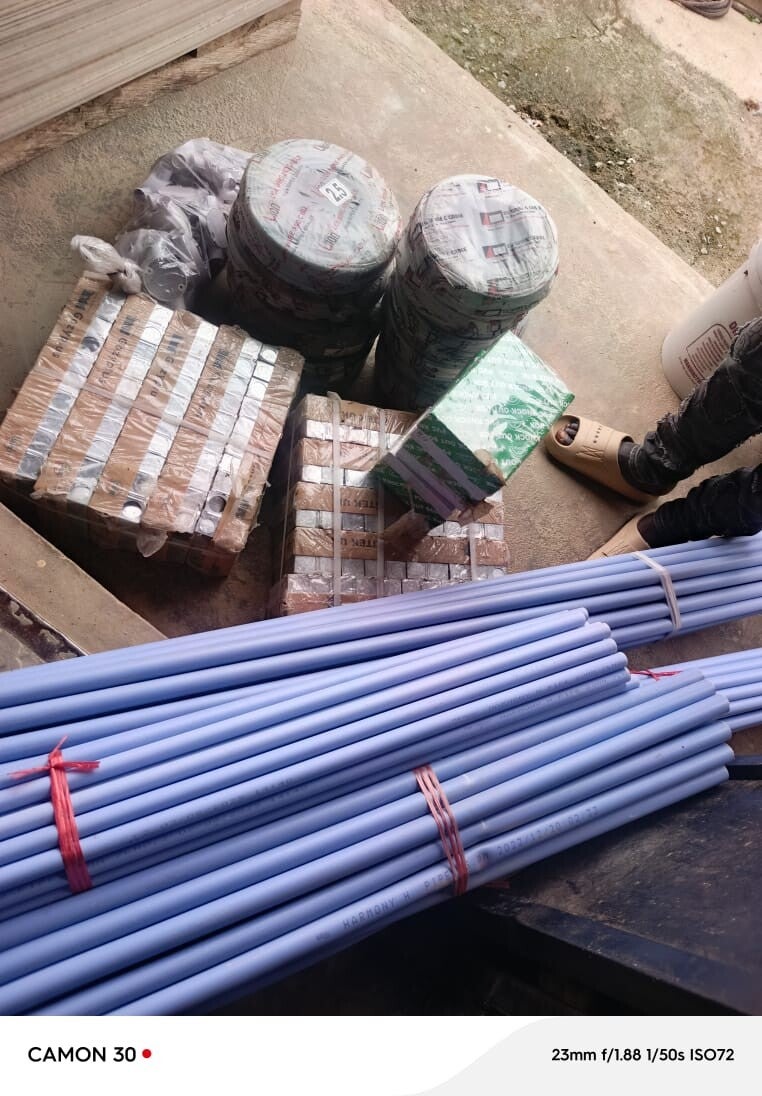
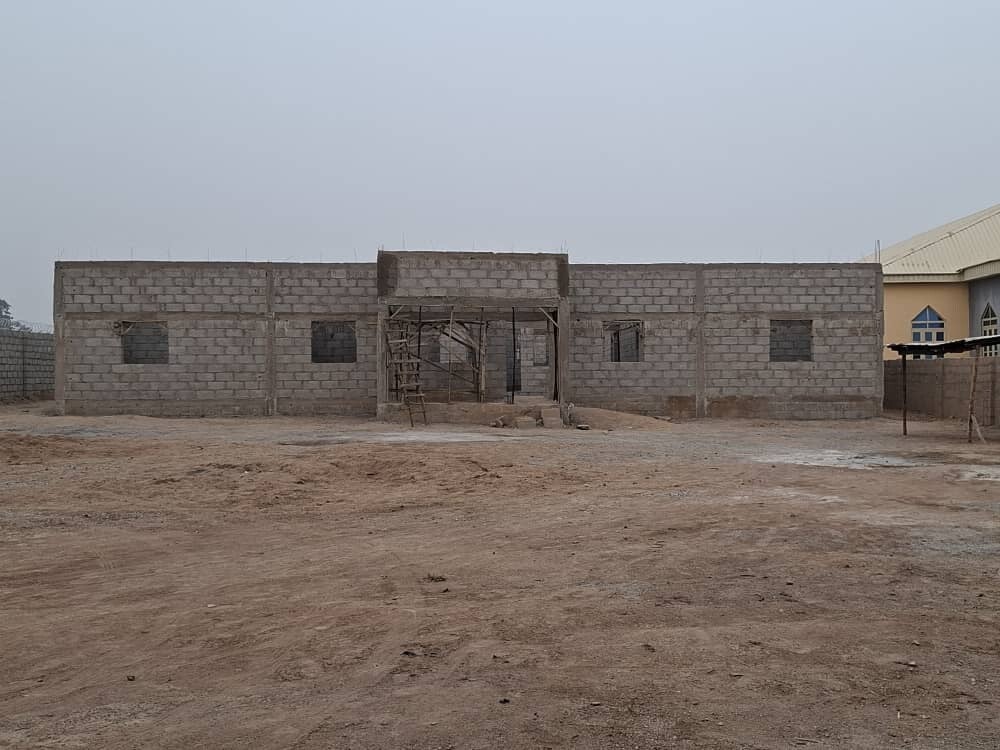
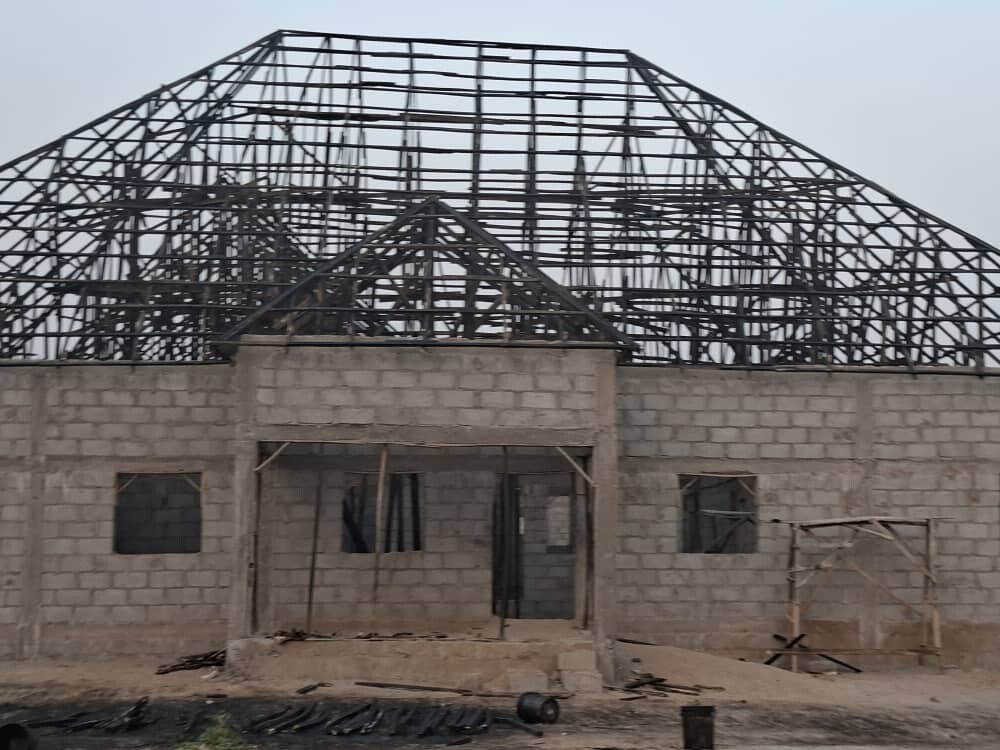
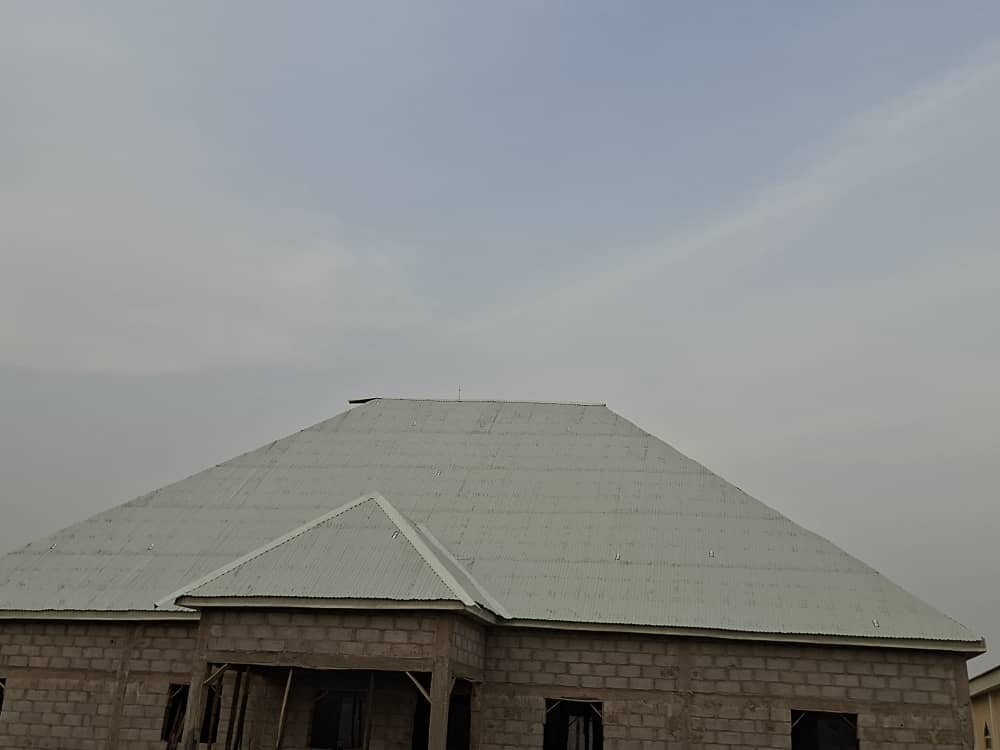
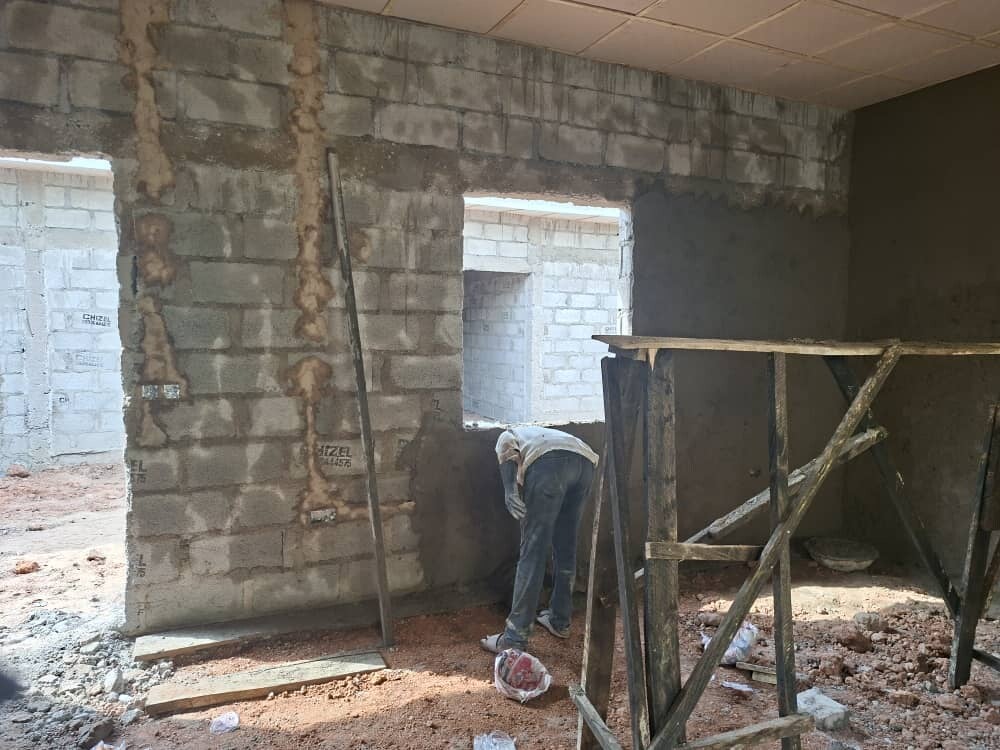
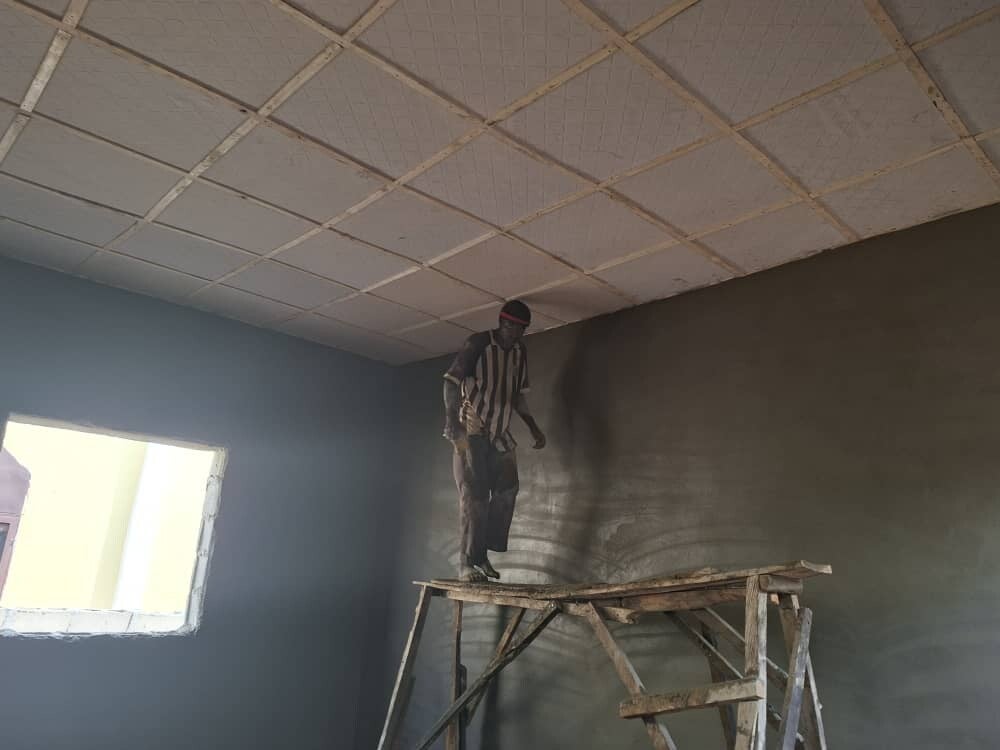
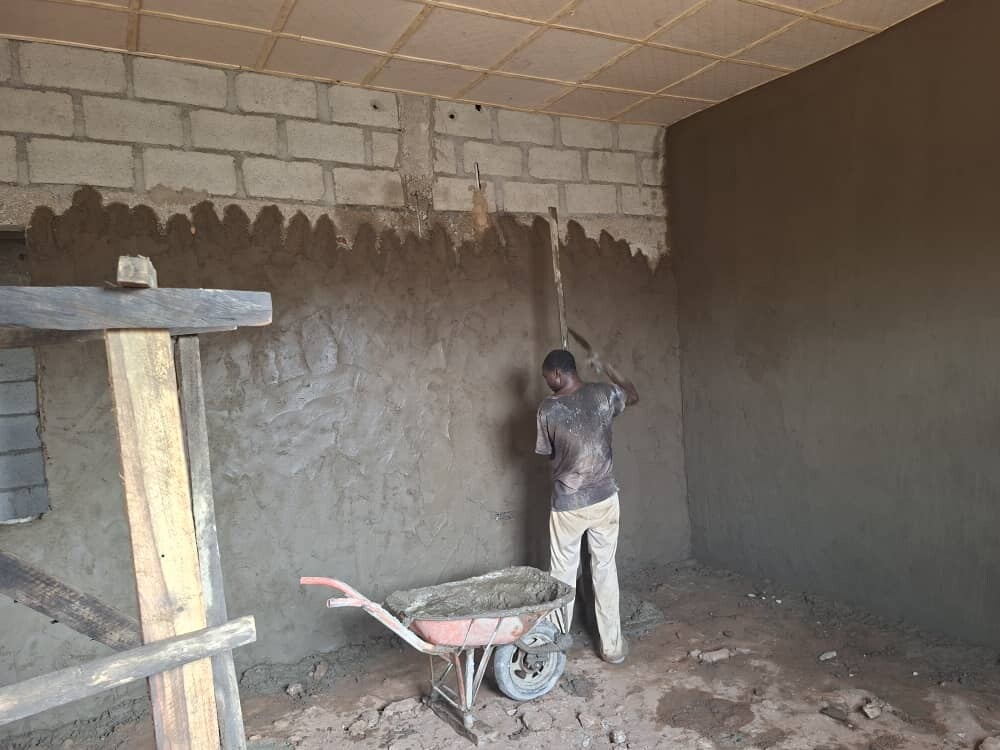
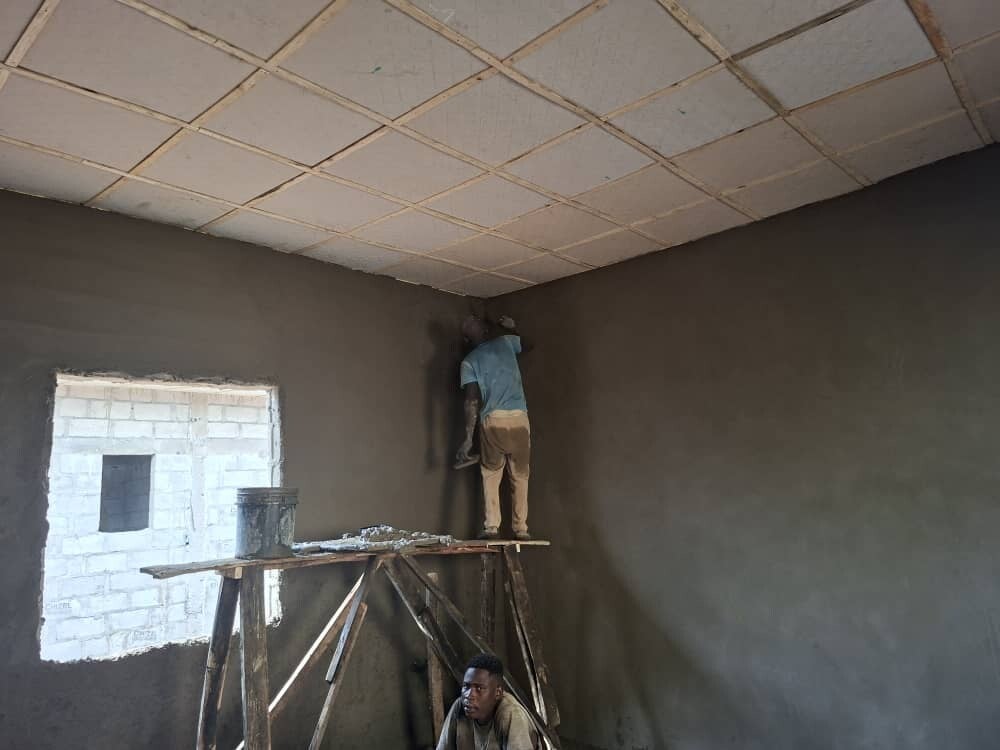
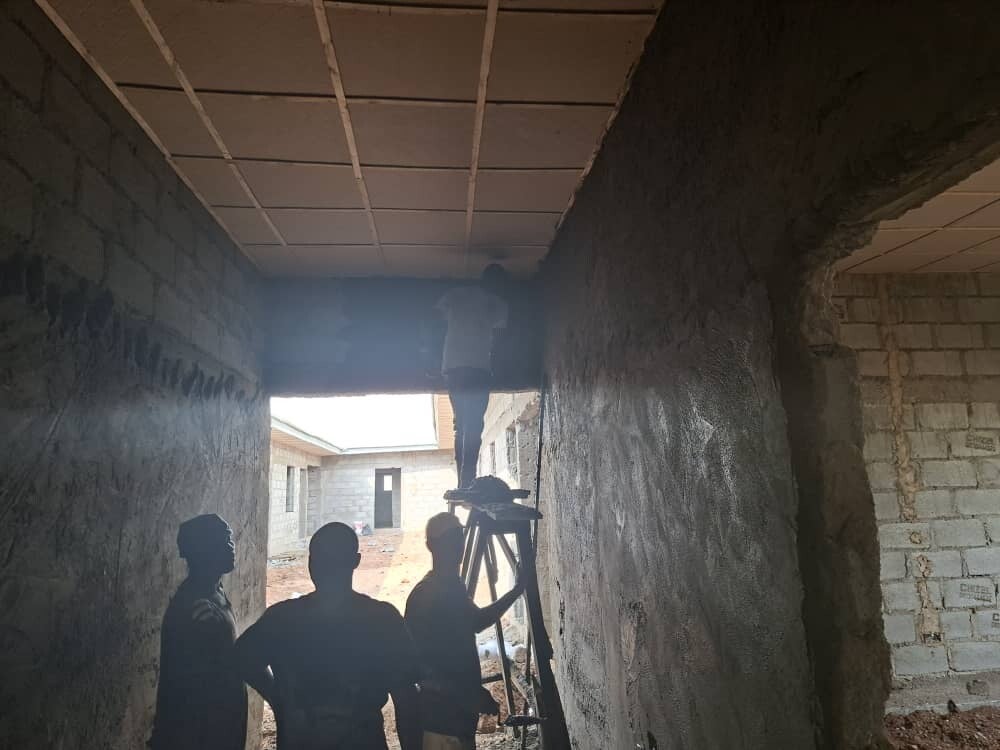
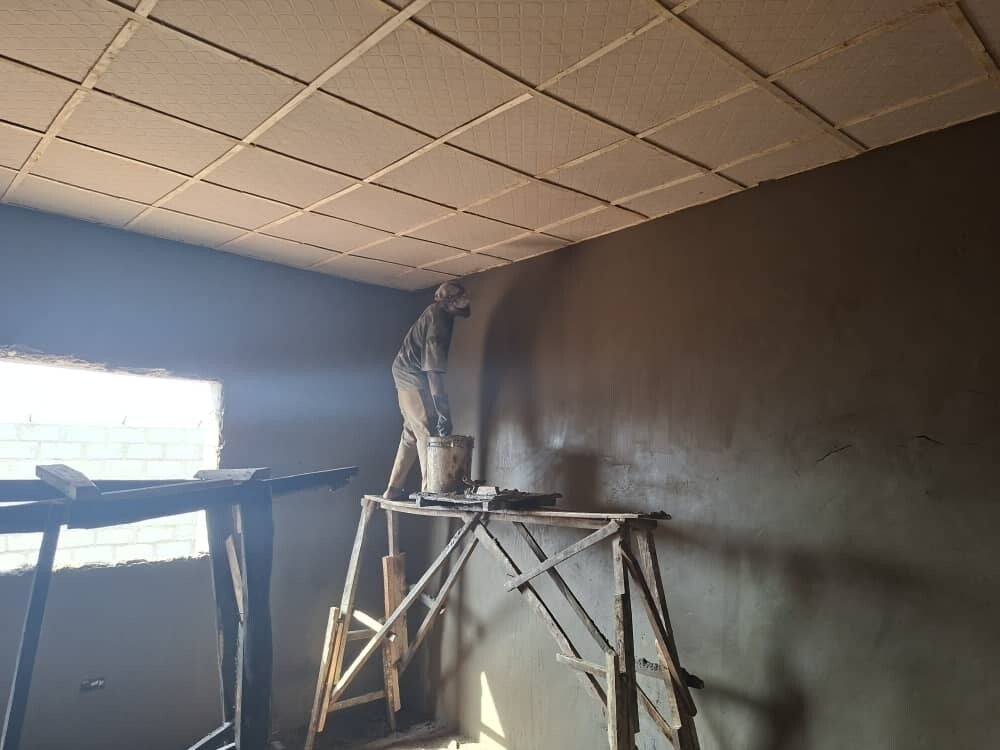
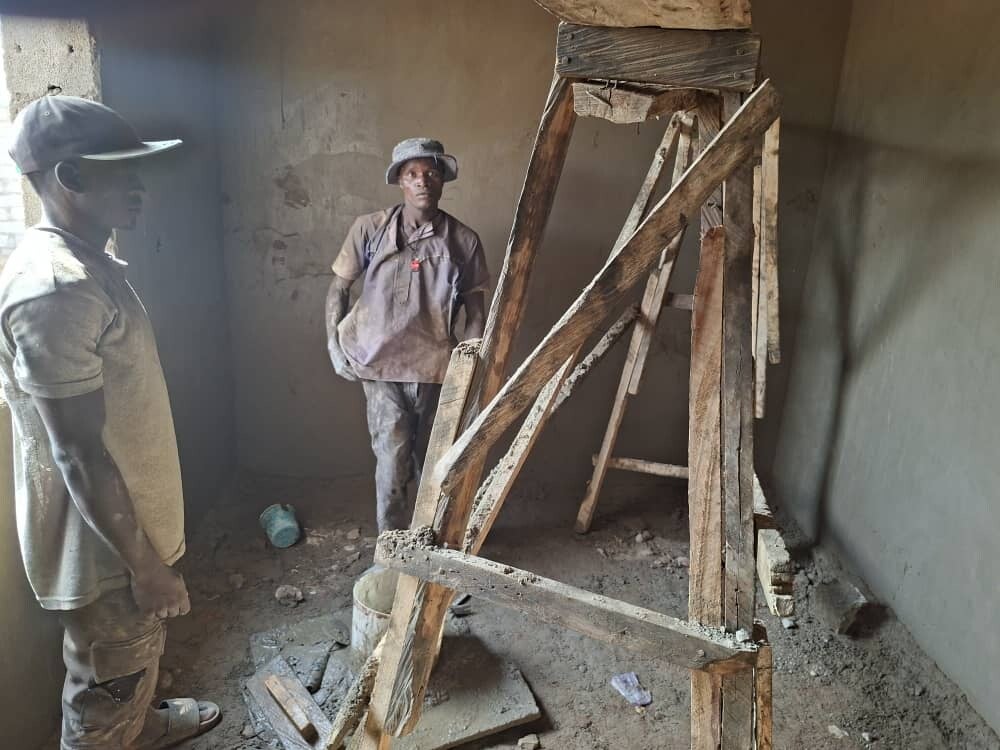
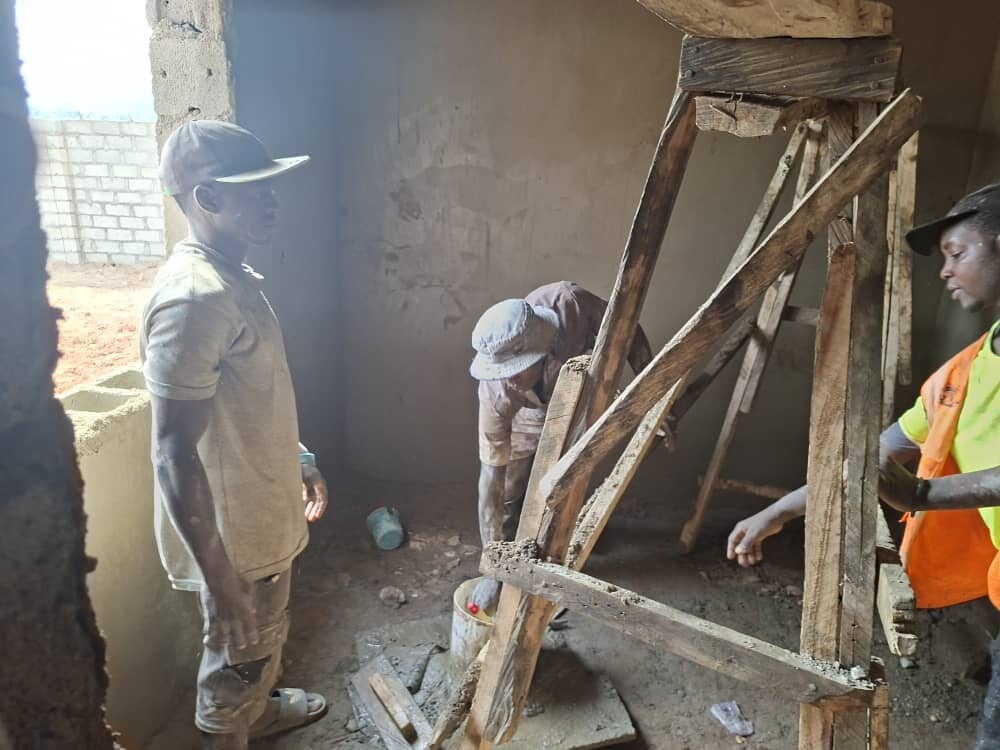
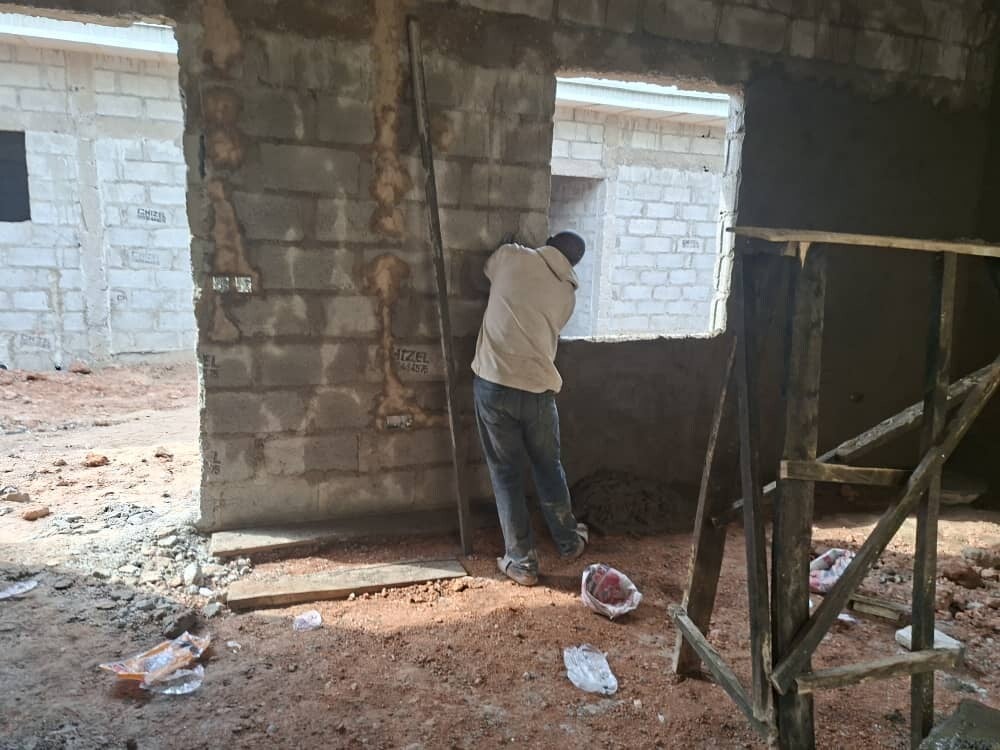
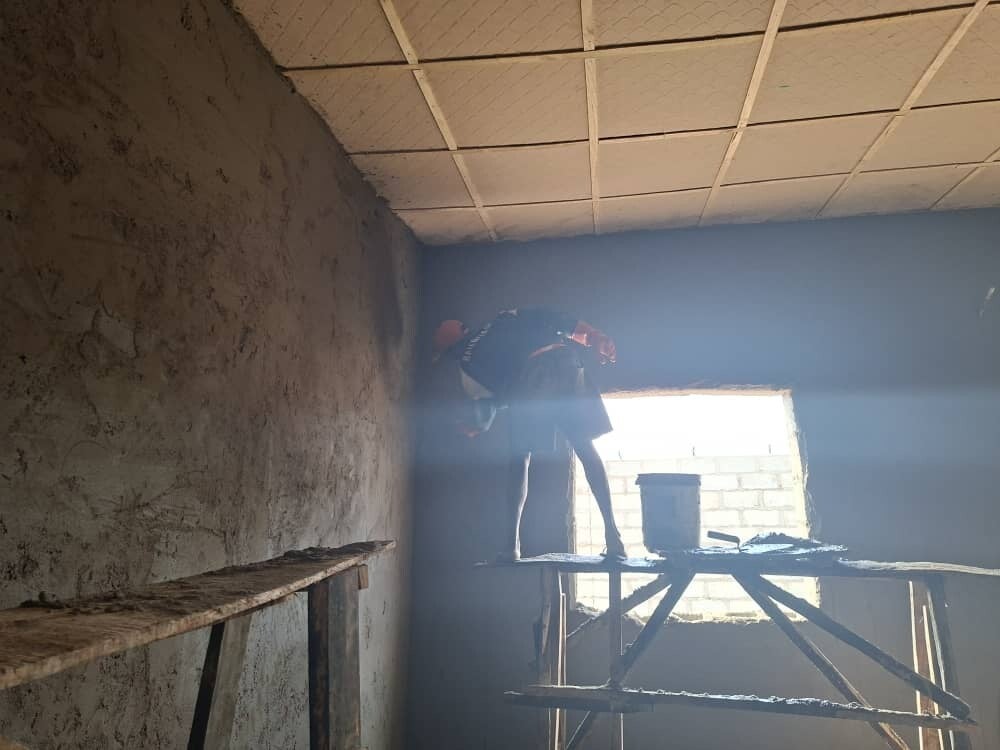
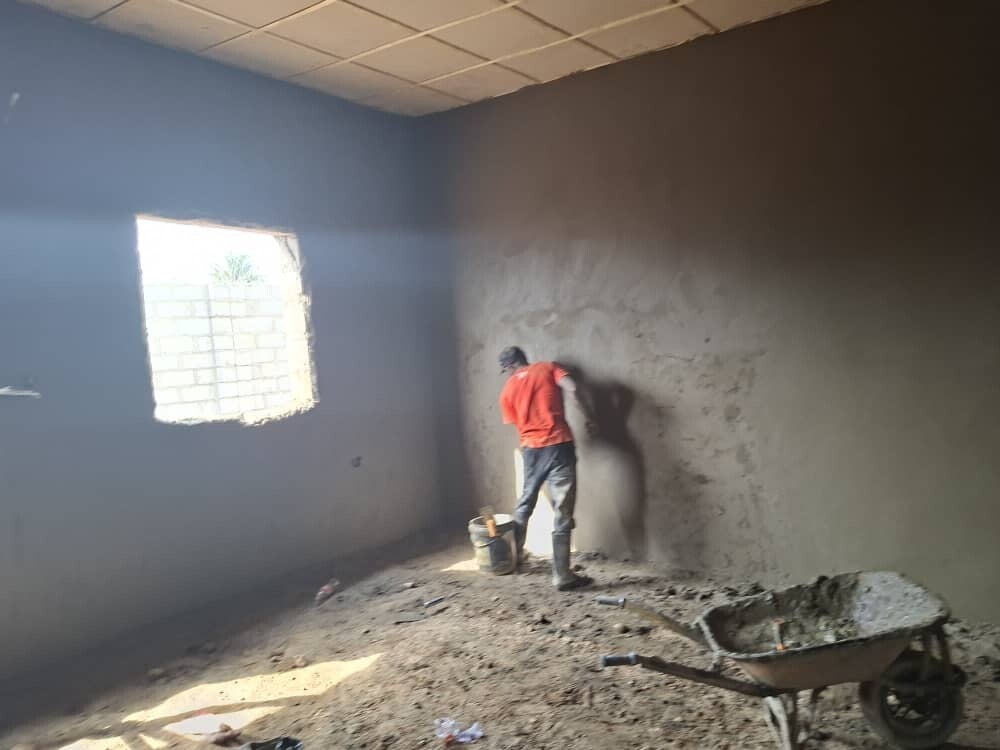
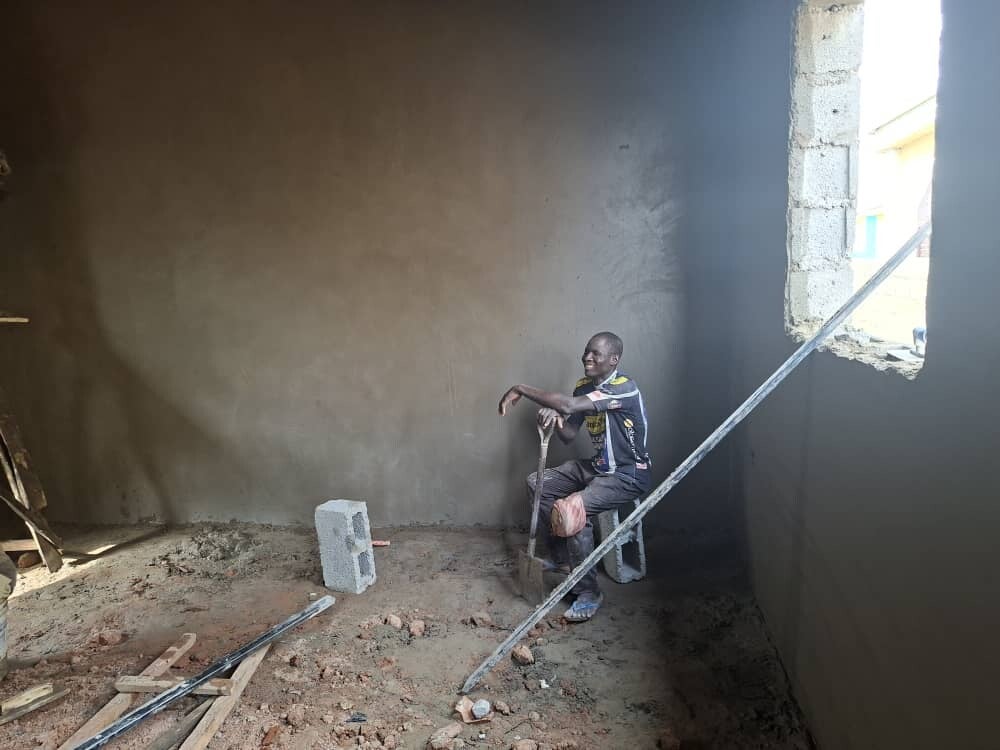
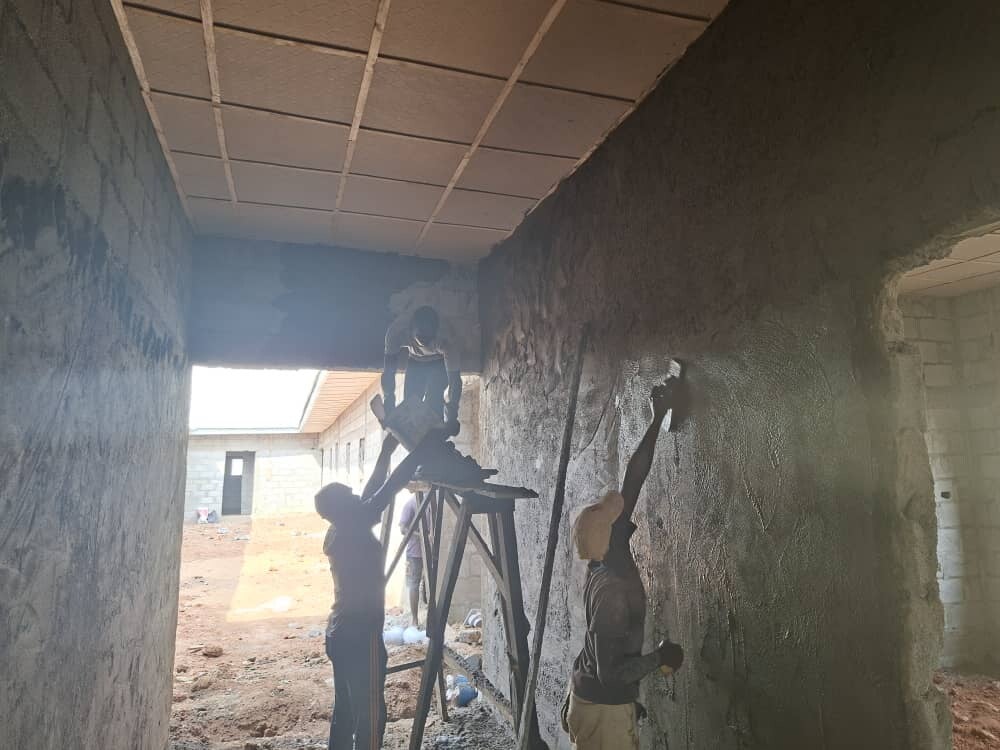
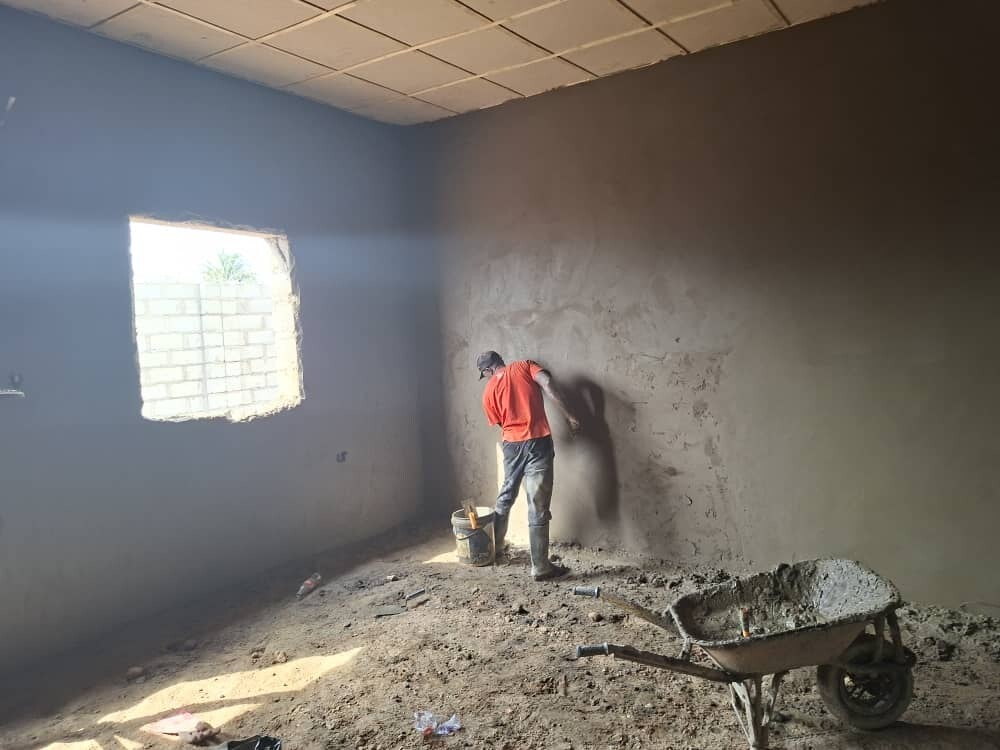
We're building a hospital at Gurku
The hospital building is complete. See the aerial footage
see the architectural plans
The Hospital will serve the camp and the surrounding area, The next closest hospital is over 10 miles over dirt roads, Currently the roof is being built. see the videos
hospital roof construction 1 and
While there isn't a single, unified national percentage for exactly a 10-mile (approx. 16 km) radius in 2026, healthcare accessibility in Nigeria is defined by a sharp divide between urban hubs and rural "medical deserts."
1. The Urban vs. Rural Access Gap
Access varies wildly depending on whether a person lives in a city or a rural settlement:
- Urban Accessibility: In major cities like Lagos, the median travel time to the nearest public emergency facility is about 25 minutes. When private hospitals are included, this drops to 17 minutes.
- Rural Reality: In rural regions, studies indicate that majority (40.5%) of households live between 3 to 6 miles (5–9 km) from a basic health center. However, only 22% of communities meet the standard government goal of having a facility within a reasonable catchment distance.
2. The "Walking Distance" Problem
The most critical metric for many Nigerians is walking distance, as many patients are pedestrians.
- Underserved Areas: Slightly over 90% of the country is considered underserved if the metric is a 60-minute walking distance to a health facility.
- Driving Access: If driving is an option, the "underserved" portion of the population drops to roughly 30%, though this still leaves tens of millions without timely access to a hospital.
Underserved (>60 min travel)
90% (by walking) / 30% (by driving).